



A porcelain girl wanders a bleak, but stunning Nordic landscape in Anu-Laura Tuttelberg’s haunting and memorable stop-motion short On Weary Wings Go By (original title: Linnud läinud). Described as wintery Nordic poem, the short was a winner at this year’s Animafest – Zagreb World Festival of Animated Film.
We had a chance to ask a few questions about the Oscar-qualified short from its talented Estonian director:
![Director Anu-Laura Tuttelberg sets up a shot for 'On Weary Wings Go By' on a freezing Norwegian beach. [ph: Daniel Irabien]](https://www.dev.animationmagazine.net/wordpress/wp-content/uploads/On-Weary-Wings-Go-By-bts-EF1-Daniel-Irabien.jpg)
The inspiration for my latest film as well as for my previous short stop-motion film, Winter in the Rainforest — which are both shot outdoors in nature — came from a very exotic location, a secret garden that I stumbled upon on my trip to Mexico about 10 years ago.
During a trip to a film festival I visited a place called Las Pozas in a mountain village called Xilitla. It is a surreal garden of huge concrete sculptures in the middle of a rainforest made by a rich, eccentric poet, Edward James, in the second half of the 20th century. The four-story high surrealistic architectural sculptures are by now overgrown by vegetation and resemble an abandoned city from a lost civilization. This combination of man-made concrete sculptures and wild nature inspired me to imagine a story of animated porcelain animals in a tropical rainforest.
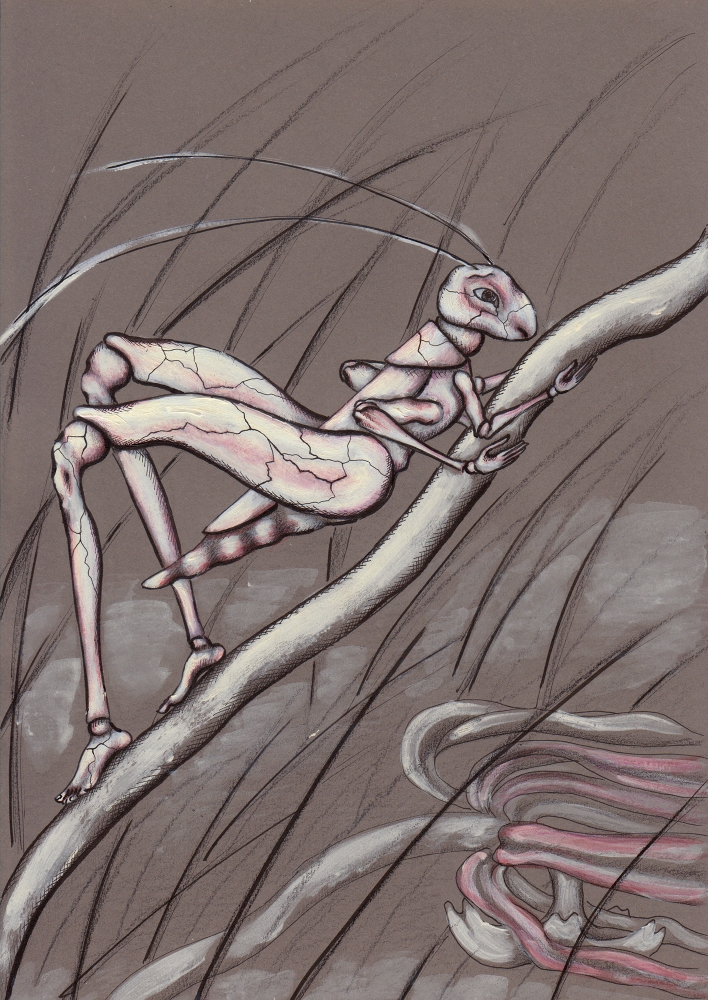
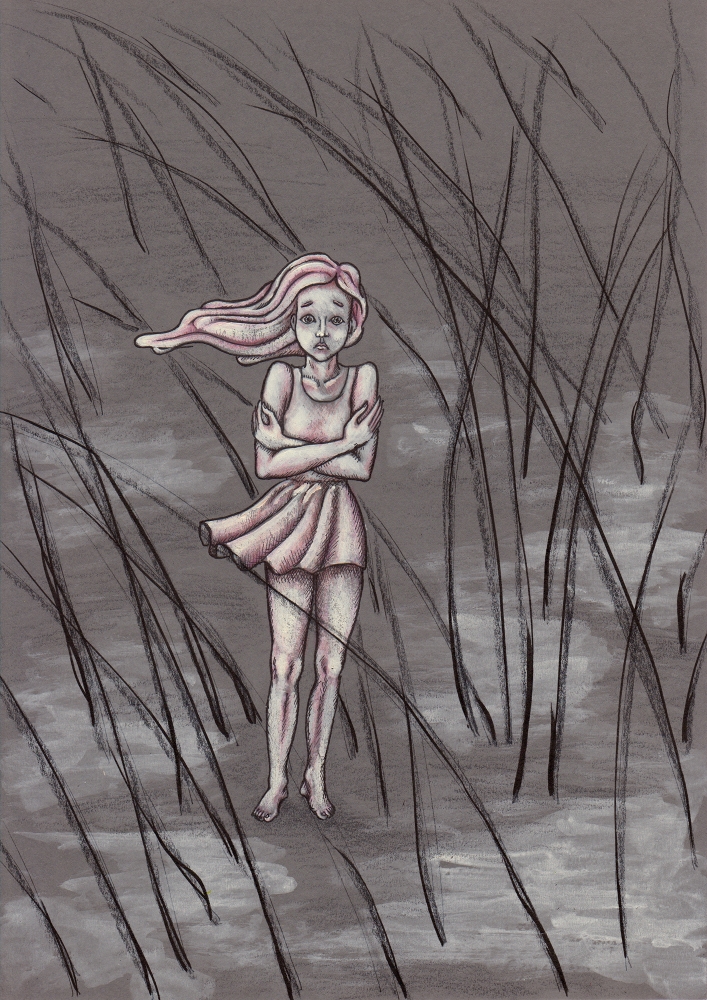
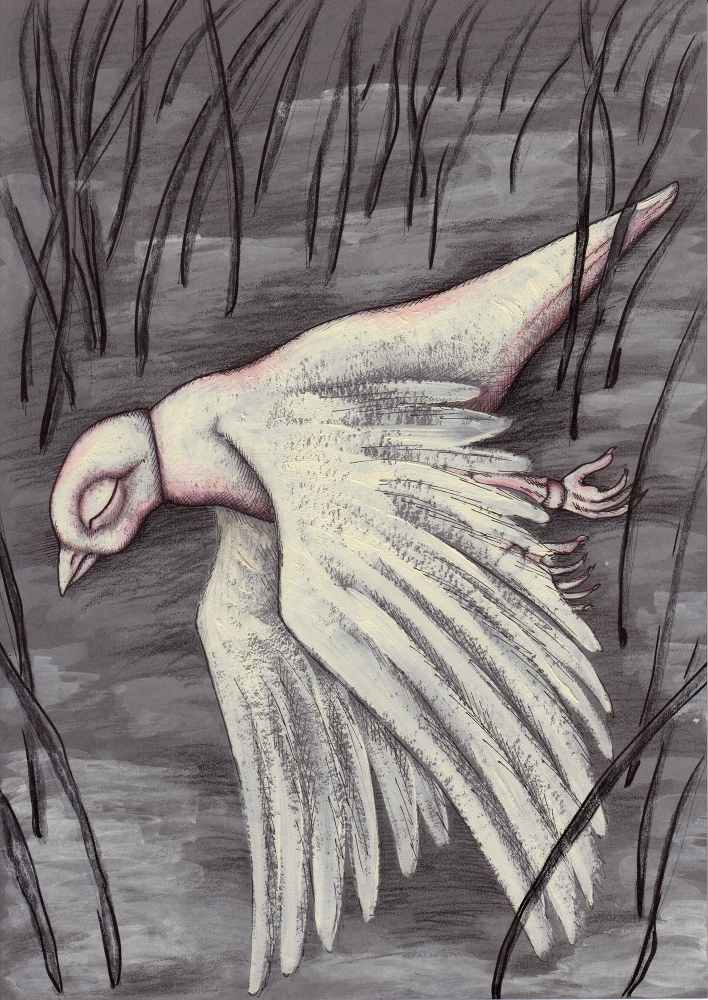
Shortly after I was invited to an art residency in the polar circle in the north of Norway, in an old fisherman house on Senja island. A very contrasting environment compared to the tropical rainforest, but much closer to my own home country, Estonia. These contrasts of nature and seasons became the topic of my current trilogy of stop-motion films shot in nature. On Weary Wings Go By is the second film in the trilogy and was filmed on snowy beaches partly in the same art residency in Norway and partly in Estonia.
How long did it take to make and when did you begin working on it?
The idea for the trilogy of the stop-motion films shot in nature started about 10 years ago. The first in the trilogy, Winter in the Rainforest, was finished in 2019 and right after that I started working on On Weary Wings Go By. It took five years for each film to be completed.

Why did you pick this highly original medium to tell the story?
I guess there are a few unusual aspects about this film. Firstly, the fact that it is a stop-motion animation shot outdoors in nature. Also, the material of the puppets is not the most common choice. The puppets of this film are made of porcelain. And lastly, the film is shot on 16mm film with an old Bolex camera.
Shooting outdoors was a gradual development in my filmmaking path. I started out with learning to make a classical stop-motion film in a studio with sets and puppets. I enjoyed the process a lot, but I was missing seeing daylight. For my second film, I chose to shoot the film with daylight, making the change of light part of the story. And then the final step was to get out of the studio altogether and make nature become my studio. I like to spend a lot of time outdoors and in this way I am able to make stop-motion films and at the same time work outside in nature.

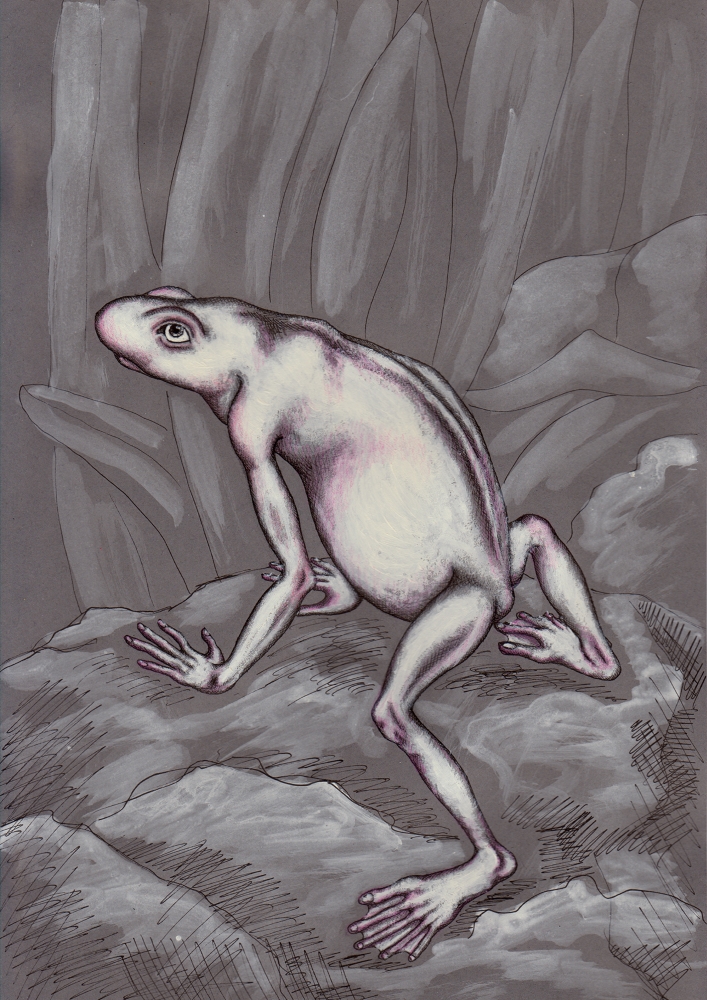
Using porcelain as the material for making puppets for a stop-motion film certainly sounds out of place at first glance. In fact there are very few stop-motion films ever made with porcelain puppets.
I enjoy sculpting puppets from different materials and I love learning to use new materials — especially natural materials. I had already made puppets from wood, leather, fabric, wet clay etc. I had the curiosity to learn to use porcelain for a long time and finally I took that challenge.

Why I wanted to use porcelain for this film is because I felt porcelain puppets in nature would on one hand look contrasting and visibly man-made and pop out to the eye in the natural environment. But at the same time porcelain is just a type of clay, it comes from the earth and belongs in nature. I tried to make the glossy white sculptures come to life and make them feel almost like real animals minding their own business in nature.
And the decision to shoot on 16mm film came from my background of studying photography before my animation studies. In my films I work with materials. I use different materials for puppets to express their character. I shoot in nature and face the materiality of the location constantly. In analogue photography the film material itself also has a character, the grain and the color palette of the film stock become one of the given properties of the many materials I work with.


Making a short in the cold, snowy weather conditions must have been quite challenging!
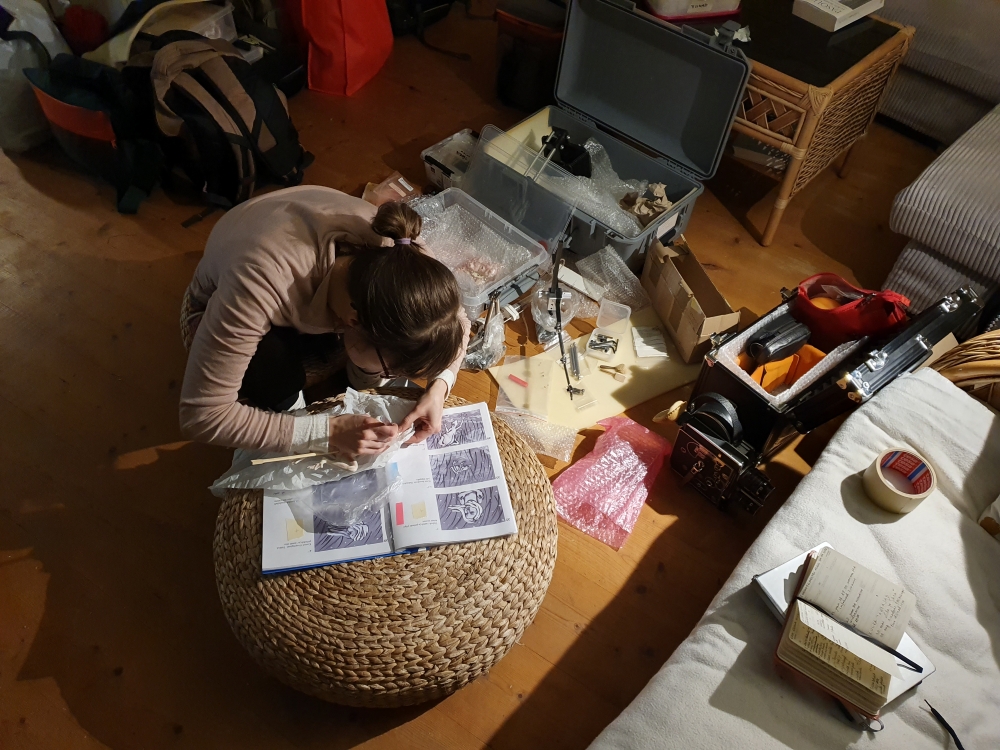
Yes, the unexpected snowstorms that put an end to the shooting day. Freezing fingers and stiff knees while animating small puppets on a snowy ground.
It took one winter just to figure out the equipment and clothing for the shooting. This film was made with a very small team. On the shooting location it was just me (directing-animating) and one more person who helped with cameras and shooting on the beach. Plus another person cooking and heating the poorly insulated summerhouse on the beach where we were staying. The whole shooting resembled more of a polar expedition than a normal stop-motion film shooting, to be honest.
But the main challenge which was the rough nature was at the same time my main inspiration and collaborator. Often I felt I wasn’t able to find the right setting for a scene or the right weather conditions because nature is so unpredictable. But then again there were moments when nature surprised us with lucky chances I couldn’t have asked for or imagined. I like to say that the film was codirected with nature. But to reach that collaboration you first have to overcome the wish to have control which of course is very hard for any director.
Who are your biggest animation influences/heroes?
Some of my favorite stop-motion film directors are Mati Kütt from Estonia and Jan Švankmajer from Czechia, both surrealist filmmakers. And of course I have been influenced a lot by my teachers Estonian animation directors Priit Pärn and Riho Unt.
When did you realize you wanted to work in animation?
It was a combination of my interests and previous studies in photography and scenography that finally led me to stop-motion animation and made me want to study animation and direct stop-motion films.

What do you love about this particular medium?
I feel in stop-motion film I have found the perfect combination for my skills and a way to express my ideas in the best way. I like to sculpt puppets, to make set designs and to do photography. And in animation I can have all that plus make it all move and come to life.
What will you be working on next?
I’m currently writing a script for the third film of the trilogy. It is the final episode, about spring. With that the circle of seasons will be full and the three films can be viewed as a whole, a full year round.
On Weary Wings Go By is written and directed by Anu-Laura Tuttelberg and produced by Marianne Ostrat. You can find out more here.