Winsing, a Top Three Chinese animation company for over 15 years, will be promoting a wide range of properties to potential broadcast partners across Asia during this year’s Asia TV Forum & Market (ATF) – in particular, its established hit GG Bond, as well as two exciting new properties now under development: GoGo Bus & Team Steam and Crazy Candies Season 6.
ATF, the leading entertainment content event in Asia for professionals to converge, connect, and collaborate, takes place at the Marina Bay Sands in Singapore, December 4-6. Winsing will be based at booth number C10.
Recent deals in India and Malaysia have underlined the overseas potential of GG Bond. which is also available in English-speaking markets under the title Kung Fu Pork Choppers. Wingsing will be bringing two series to ATF, GG Bond: Dinosaur Diary and GG Bond: Racing as well as the hit animated movie GG Bond: Loli Pop in Fantasy.
GG Bond is a thrilling and funny series aimed at children 4 to 8 year old, in which the hero, a super-powered piglet fights many threats to his world with the aid of his friends, not to mention courage, humor, hope and a strong sense of justice. GG Bond has already inspired 14 hit series viewed by millions of children, as well as five feature films, an enormously popular and award-winning live show, dedicated theme park areas, and a massive licensing campaign. A 15th series launched in late October and a 16th series is on the way.
Crazy Candies season 6 tells the story of Marshyo, a wannabe top chef, and his assistant, Jackey. They run a food cart, but Marshyo dreams of one day running a five-star restaurant. In the meantime, he can at least show he’s got what it takes by meeting every order in Dream Garden’s Food Square. But sometimes the customers don’t make it easy, and Mr. Seed loves to give Marshyo and Jackey a hard time. But Marshyo and Jackey always find a way to fulfill Mr. Seed’s picky orders and he even offers the occasional compliment. Co-produced with cooperation from companies in both Malaysia and Brunei, Crazy Candies season 6 will arrive soon.
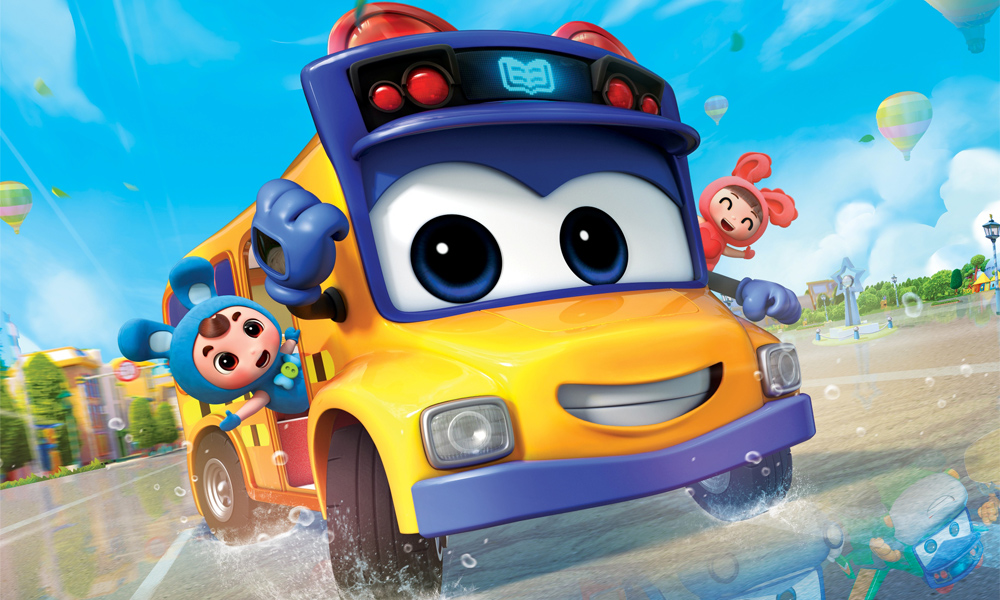
A new approach to edutainment, combining social and emotional learning (SEL) and a lovable supporting cast with an exciting central character, GoGo Bus is already a big hit in its domestic market, and has enjoyed a strong performance at retail. GoGo Bus will be represented at ATF by two series: the SEL series of GoGo Bus and GoGo Bus & Team Steam.
GoGo Bus & Team Steam (104 x 15’) continues the story of Gordon, the world’s first artificial intelligence school bus, who can transform into different vehicles, and introduces the daring rescues and exciting adventures of Team Steam. GoGo Bus & Team Steam was part of a final shortlist of five selected to appear at the MIPJunior Project Pitch. An appearance on the platform, which highlights new kids’ TV projects with the greatest potential for commissioning and multi-platform extension, was a major boost for this exciting new series.
Winsing has specialized in 3D animation production and distribution for 15 years and is firmly established as a major animation player in China. The company has now set its sights on boosting its ongoing expansion into international markets. After a strong response to its properties at MIPCOM, Winsing is looking to build on this interest at ATF, an unmissable content event that last year attracted more than 5,600 delegates from 58 countries and regions across the globe.
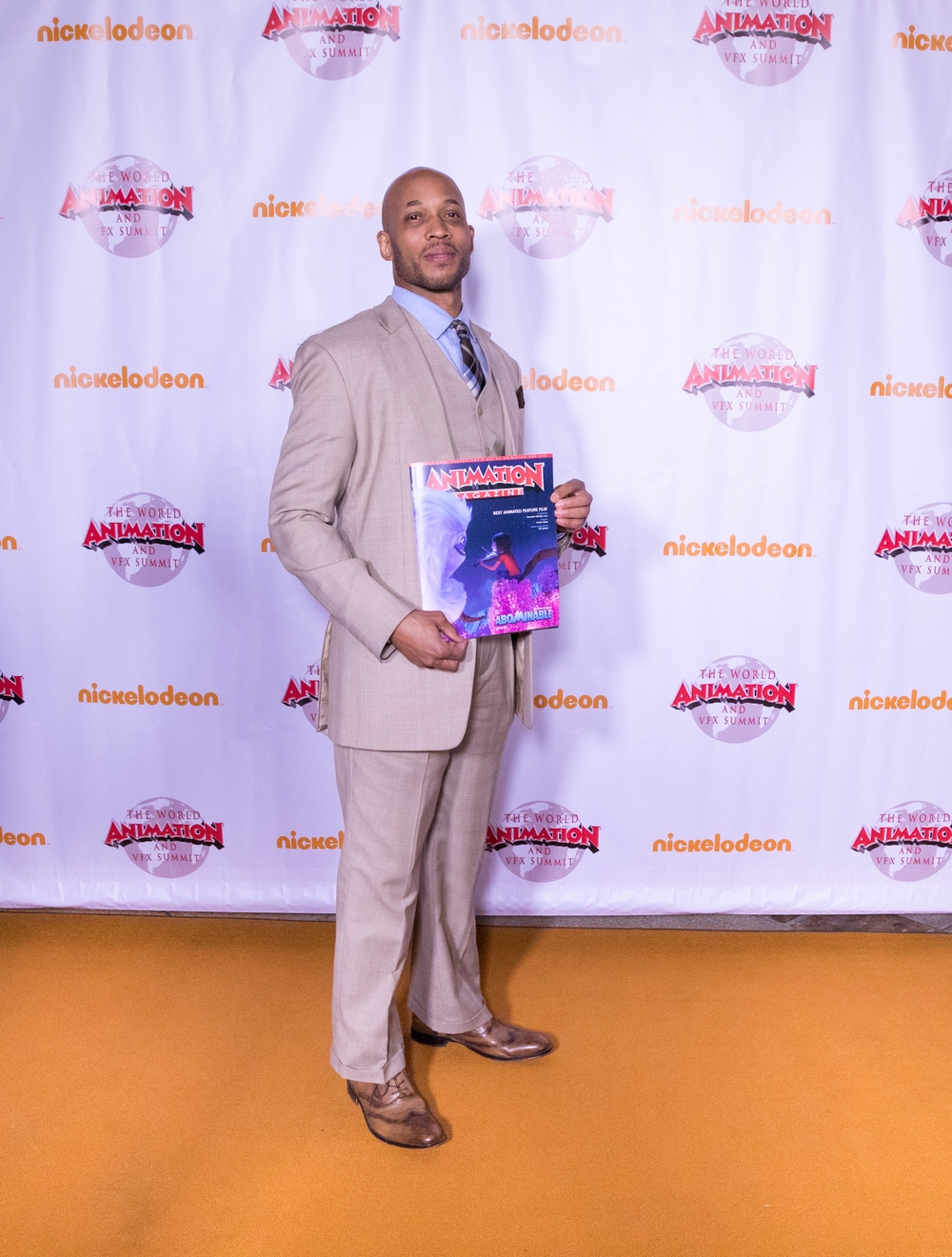
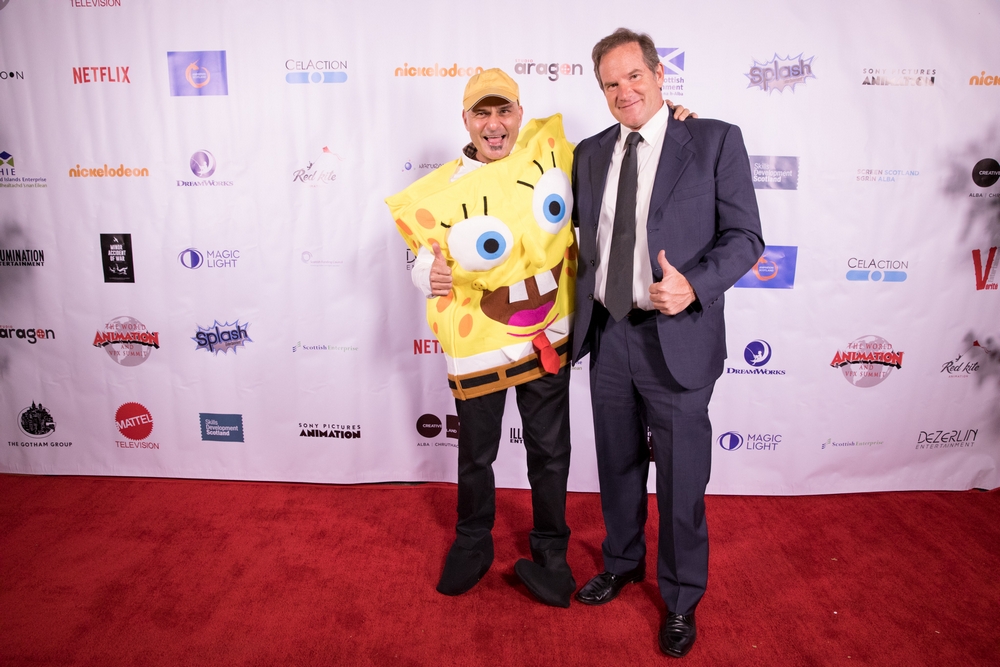
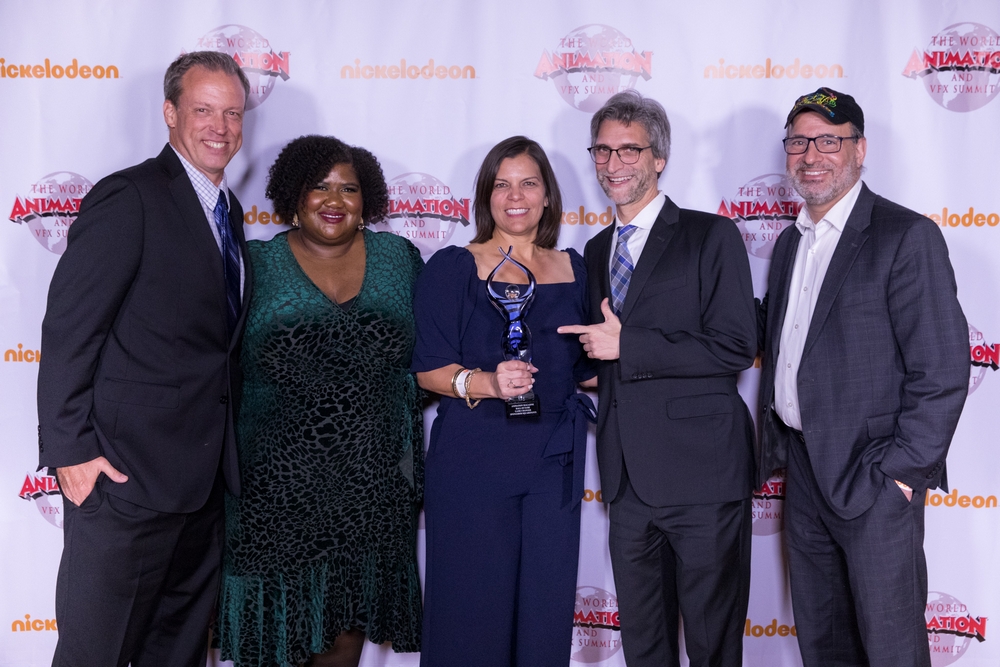
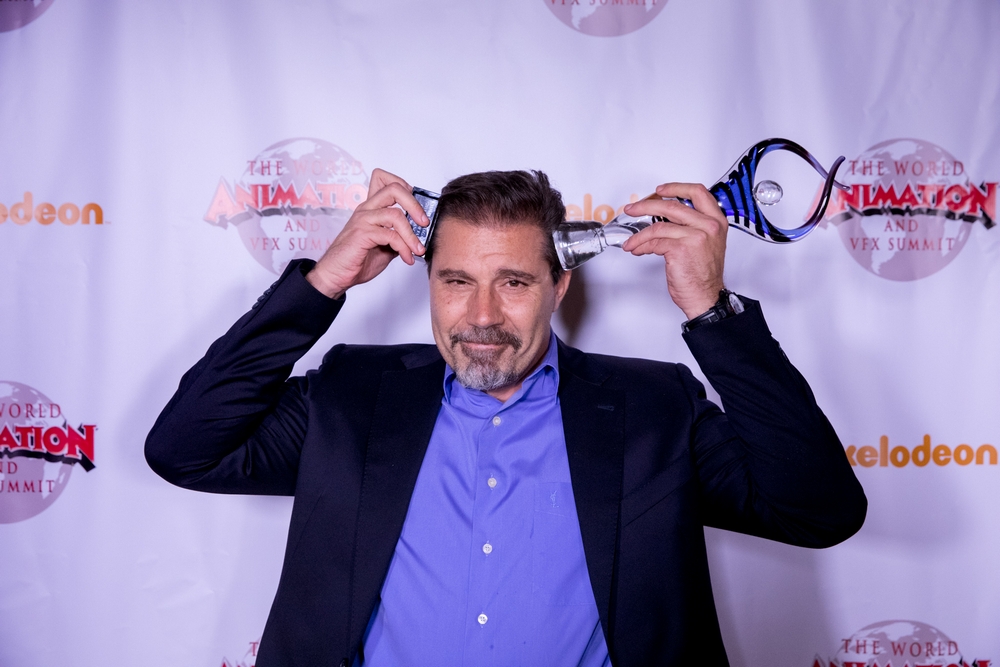
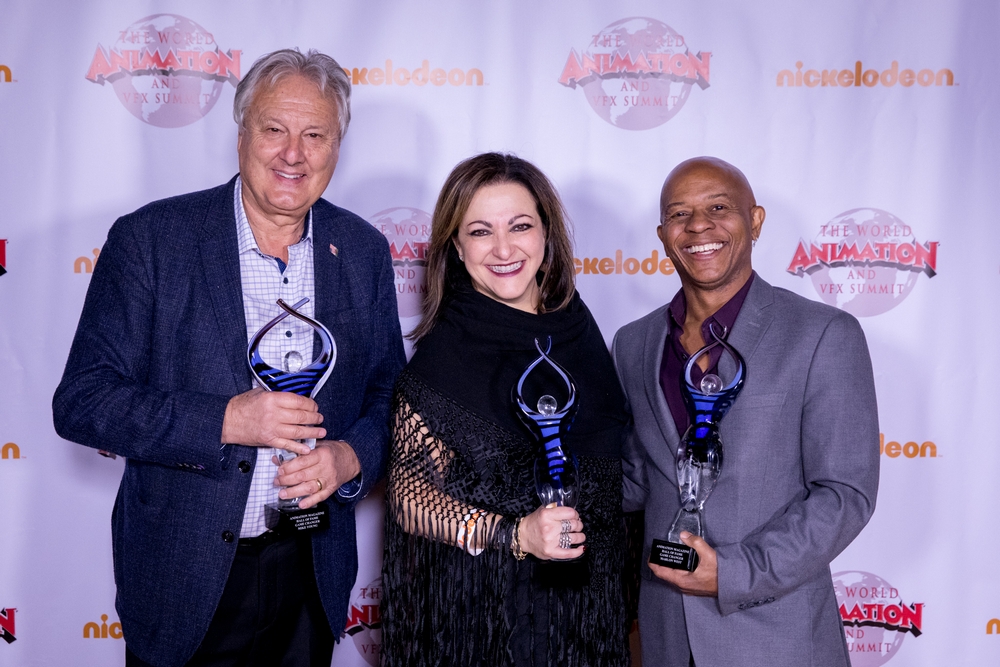
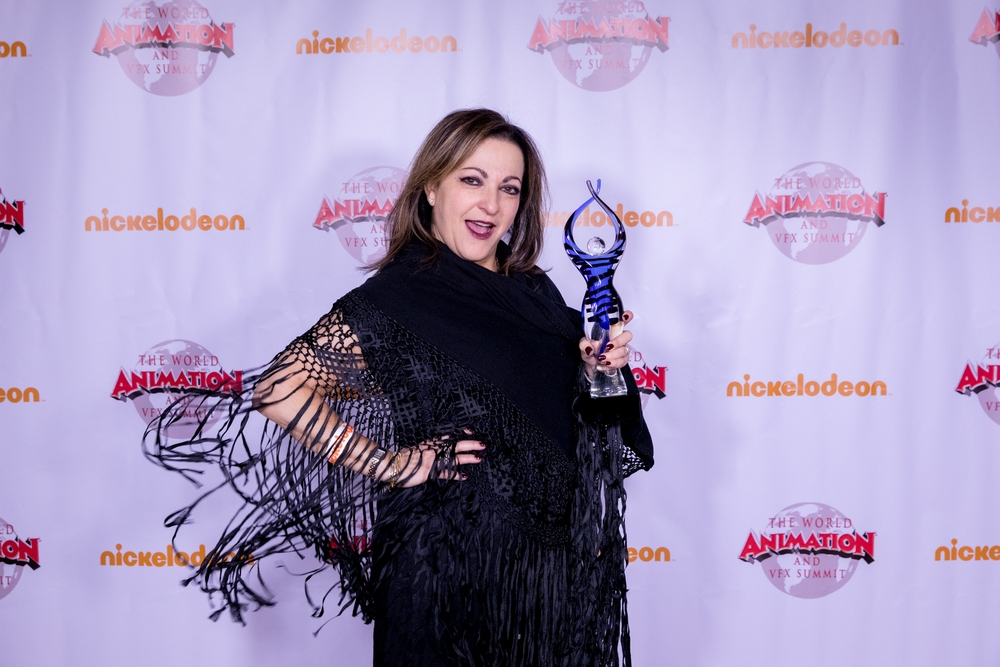
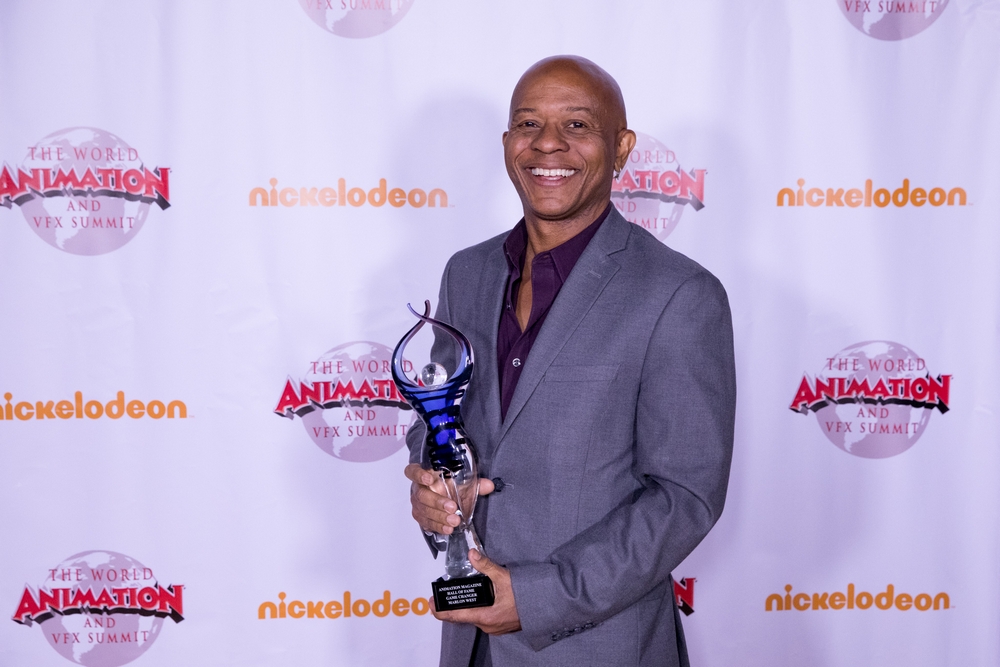
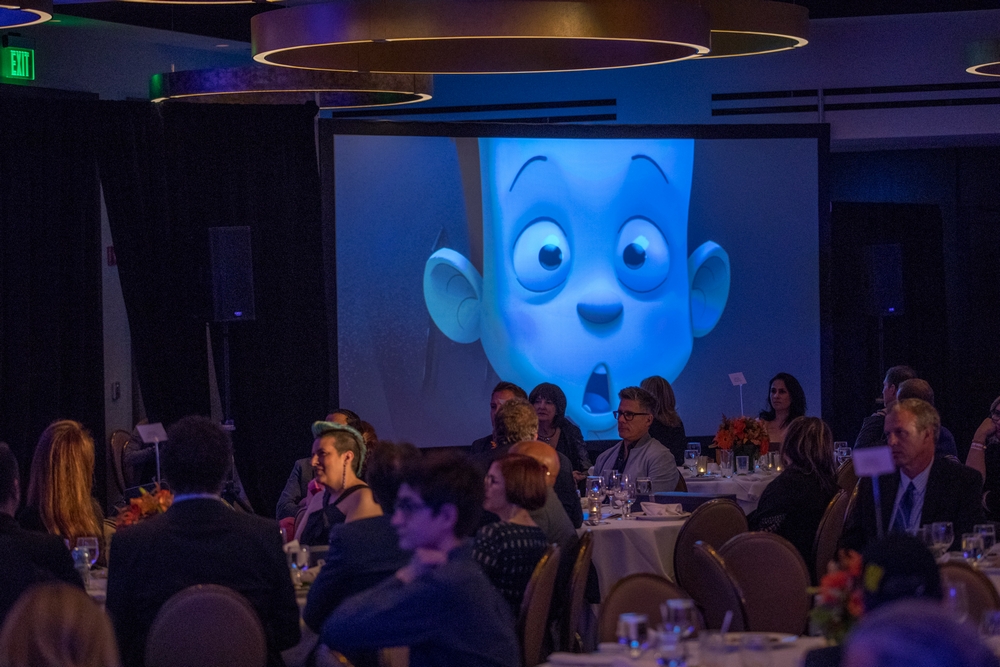
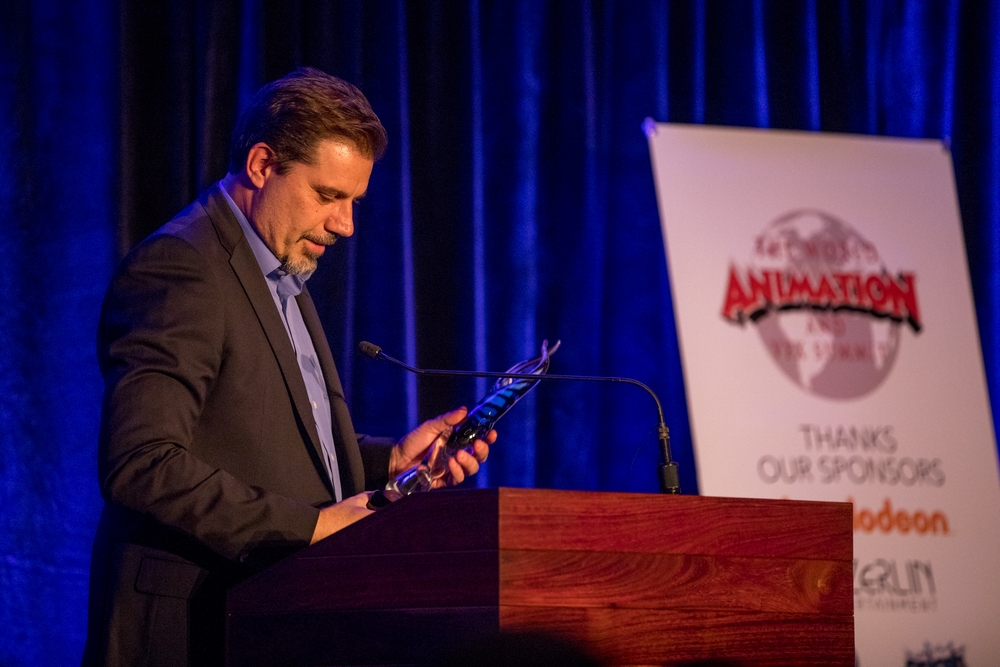
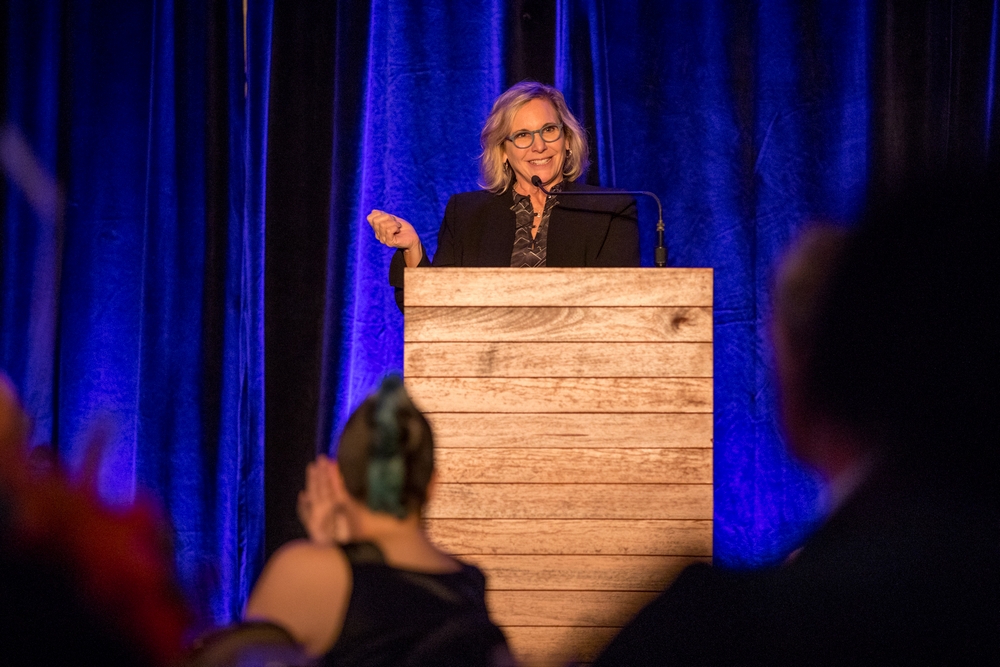
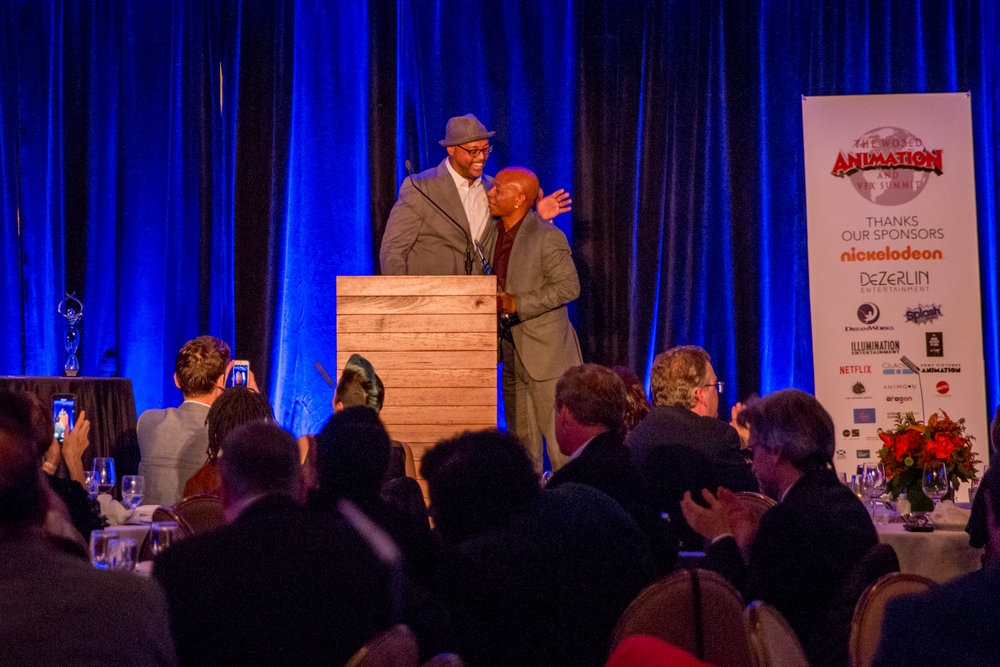
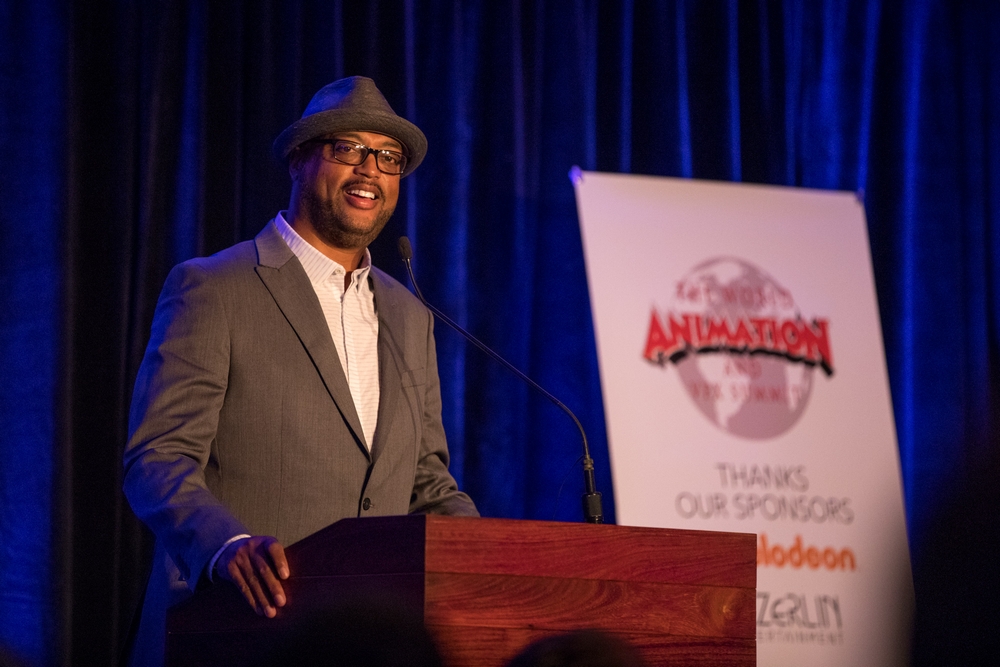
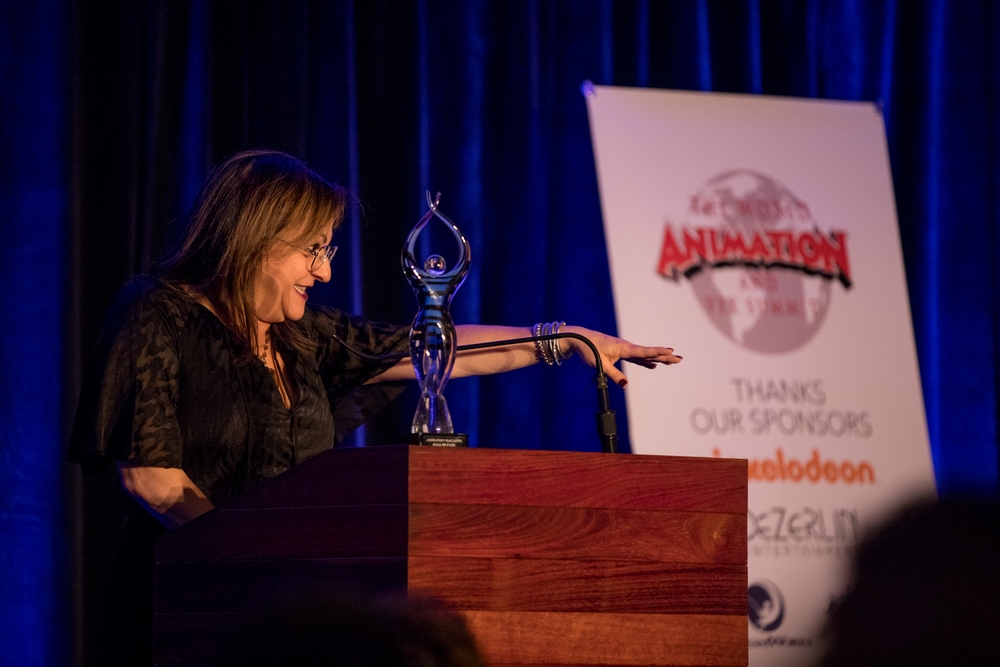
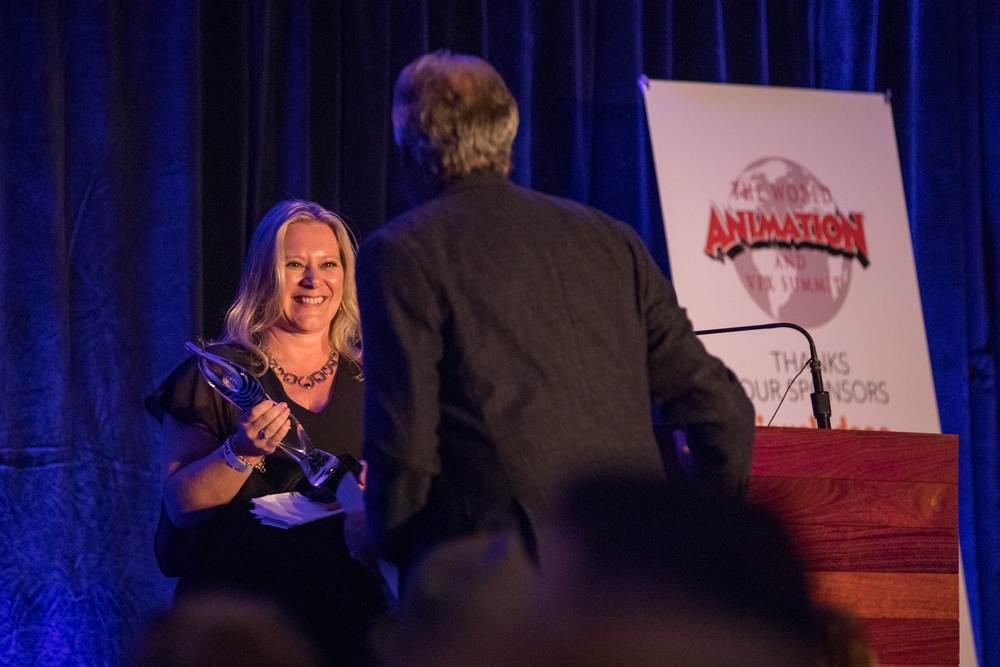
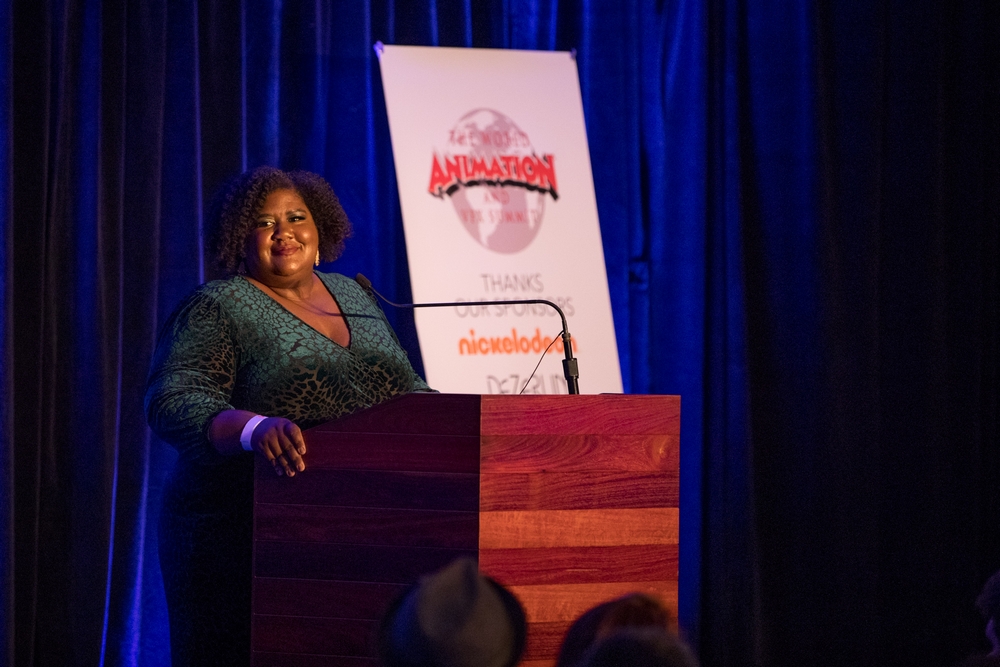
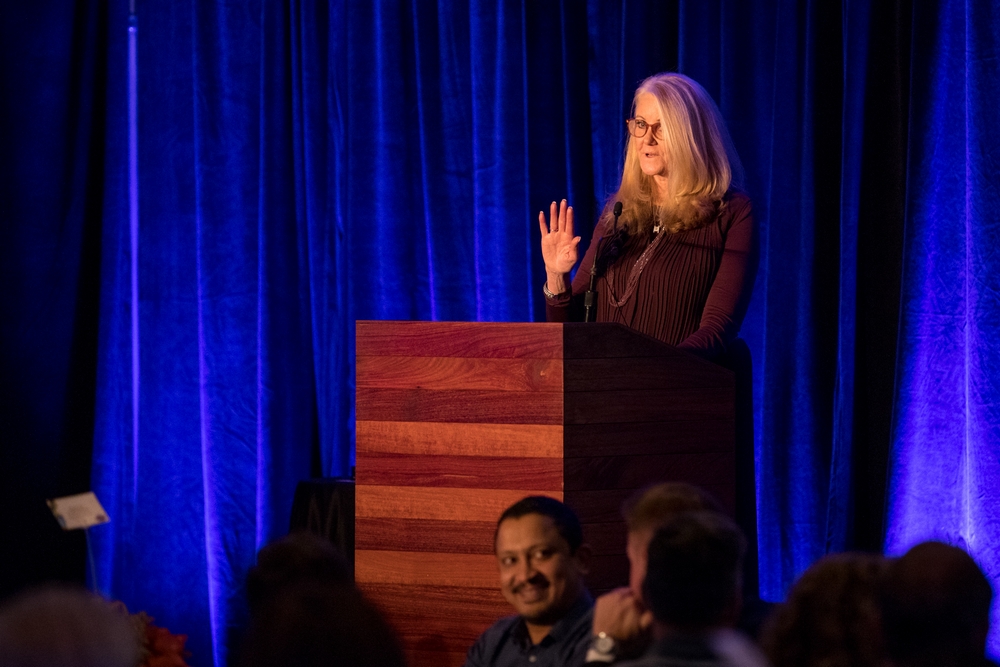
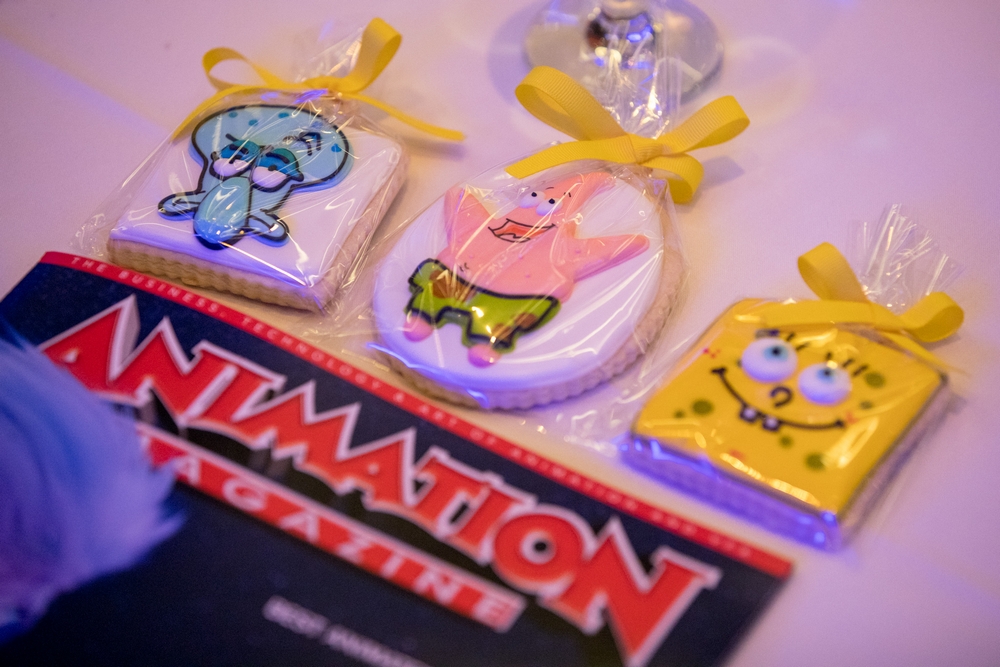
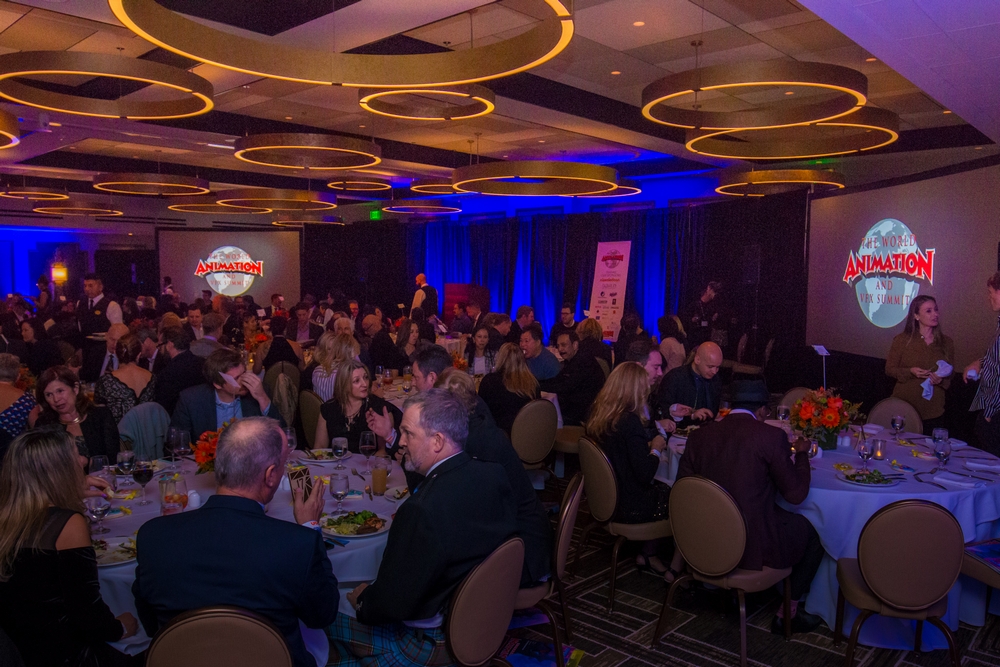
The 7th World Animation and VFX Summit got off to a festive start Sunday night with a gorgeous gala honoring the 2019 Hall of Fame Game Changer award winners. Held at North Hollywood hotel The Garland, right in the heart of “Toon Town,” the inspiring — and, most importantly, fun! — ceremony and cocktail reception sponsored by Nickelodeon preceded two days of panels, networking opportunities and screenings during the 2019 Summit.
This year’s Hall of Fame Game Changer honorees are:
Jill Culton, writer and director of DreamWorks/Pearl’s Abominable
Award presented by producer Suzanne Buirgy (Abominable)
Sergio Pablos, writer and director of SPA and Netflix feature Klaus
Award presented by Melissa Cobb, VP of Original Animation, Netflix
Adina Pitt, Cartoon Network’s VP of acquisitions and co-productions
Award presented by Rob Sorcher, global chief content officer, Cartoon Network
SpongeBob SquarePants, Nickelodeon’s blockbuster animated hit
Award presented to Bill Faggerback (voice of Patrick) by Kelley Gardner, exec of current series, Nickelodeon
Marlon West, head of effects animation, Frozen II
Award presented by veteran director, producer and animator Bruce W. Smith (The Proud Family)
Mike Young, veteran animation producer and Splash Entertainment and Kabillion co-founder/partner
Award presented by Sarah Finn; exec director, production, Disney TV Animation
Just in time for the premiere of the highly- anticipated fourth season ofRick and Morty on Sunday, November 10 on Adult Swim, BoxLunch is releasing a curated collection of merchandise including apparel, home goods, games, accessories and even products for your pet!
To make the celebration even more epic, BoxLunch has teamed up with emerging electric vehicle brand Super73 for an out-of-this-multiverse sweepstakes giving fans the chance to win a custom electric motorbike inspired by the series’ title characters.
From November 4 to 17, fans can enter the Rick and Morty x BoxLunch x Super73 sweepstakes for an opportunity to win one custom Rick S1 Electric Motorbike or one custom Morty Z1 Electric Motorbike. Featuring the signature colors of their respective characters and artwork from memorable episodes of the show, the Rick and Morty e-bikes are 1-of-1 designs that can only be won through www.boxlunch.com/rickandmortysweeps.
Morty Z1 Electric MotorbikeRick S1 Electric Motorbike
In addition to the sweepstakes, BoxLunch launches a wide range of Rick and Morty merchandise just in time for the holidays and new season. Highlights from the assortment include a Rick and Morty Anatomy Park Special Edition Operation Game, a Rick and Morty Portal Gun Light and BoxLunch Exclusive Rick and Morty Portal Jump Sleep Pants. All items are available now at BoxLunch stores and BoxLunch.com.
BoxLunch, a cause-driven pop culture retailer, offers a wide range of officially licensed products – from apparel and accessories to collectibles and home goods – from some of the world’s most iconic brands. Connecting the passion of fandom with the spirit of philanthropy, BoxLunch donates a meal to a person in need for every $10 spent in-store or online through their partnership with Feeding America.
The first episode of His Dark Materials aired on November 3 (BBC) and Nov. 4 (HBO), debuting with a splash with 7.2 million viewers for its U.K. premiere — making it the biggest new drama debut on British television in five years. The eight-part series has won over critics with its lavish visuals and worthy use of the source material.
Oscar-winning creative studio Framestore played a key creative and collaborative role in the world-building process for the adaptation of Philip Pullman’s classic fantasy novels. Starring Ruth Wilson, Dafne Keen, James McAvoy and Lin-Manuel Miranda, the series is produced by Bad Wolf Studios, the BBC and HBO.
Framestore delivered all of the first season’s world-class VFX, and served as a key creative advisor from the earliest stages of production. This saw Framestore build a production-side visual effects team at Wolf Studios, Cardiff led by Senior VFX Supervisor Russell Dodgson, On-Set VFX Supervisor Rob Duncan and VFX Executive Producer James Whitlam. They provided guidance, advice and input as to how best bring Pullman’s unique world to life — from feeding back on production notes to creating the show’s lush environments and developing the nuanced relationships between the actors and their dæmons. The result is one of the most ambitious feats of storytelling yet seen on TV, with over 2,000 shots of spectacular CG and animation work bringing the richly-imagined universe and its colourful denizens to life.
“His Dark Materials demanded an extraordinarily high VFX baseline,” says Dodgson. “It also required us to really live and breathe the show if we were going to bring it to life. The team at Bad Wolf understood this from the get-go, helping us immerse ourselves in the script, the characters and the physical production so that the VFX work was embedded in the story from day one.”
His Dark Materials
Crafting a visual spectacle equal to the beloved source material drew on a wide range of talent, and presented challenges in terms of scope, scale and storytelling.
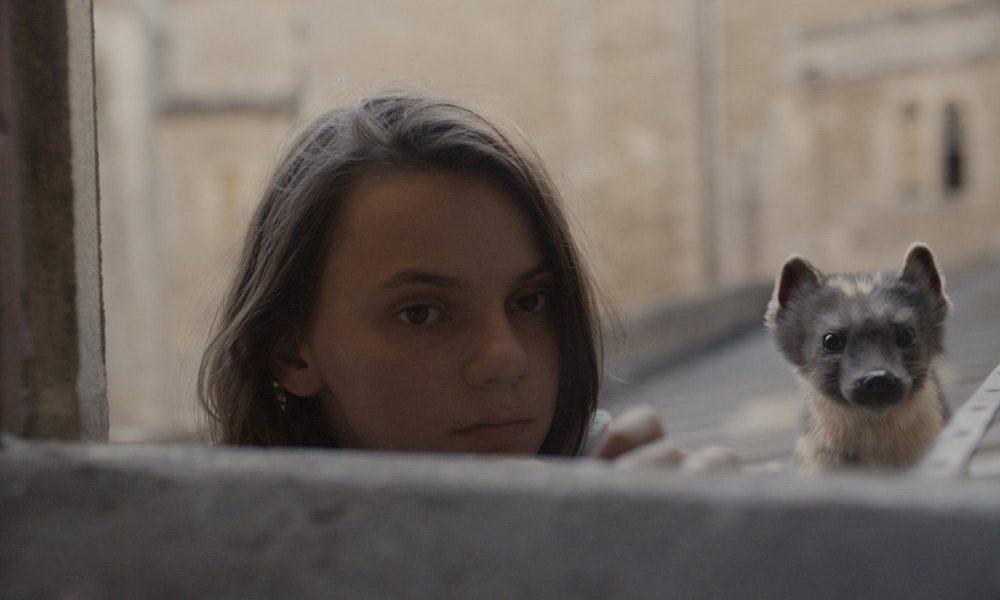
“Every human character having his or her own dæmon means theoretically every shot that features an actor could also require VFX,” Dodgson explains. “This level of work and detail is unparalleled when it comes to television — the sheer volume of shots requiring the inclusion of a pine marten, a hawk, a monkey or a snow leopard meant our lighters, animators and CG artists really had their work cut out for them.”
Framestore created more than 50 distinctive dæmons as well as the bear-like panserbjørn, effectively bolstering the show’s overall cast with its CGI creations. To ensure emotional, realistic interactions between human actors and fully-CG characters, first-pass takes were conducted with puppets, which helped provide visual and interactional cues. The puppets were then removed from set, and clean plates featuring just the actors in situ were filmed. It was then down to Framestore’s artists to conjure forth the show’s distinctive dæmons.
His Dark Materials
“On the one hand, there was the challenge of creating so many photoreal creatures,” says Dodgson. “You’re building each one of these characters from the ground up, which means crafting their skeletons and musculature, and that’s before you even get on to the intricacies of feathers, fur, eyes and claws.”
Bringing these characters to life was not just a question of volume, however. “It was obviously important to imbue each dæmon with its own personality,” Dodgson continues. “A deeper concern, however, was how they then interacted with their humans, and how their gestures and behaviour augmented, reflected or concealed what their human was thinking or feeling. This requires a tremendous amount of nuance and subtlety, and our artists deserve full credit for the seamless, intuitive way that they have embodied the characters and helped merge fantasy with reality.”
His Dark Materials
The scope and scale of the show meant Framestore drew on skills from across the entire company, with the work split between offices in London and Montreal, as Global Marketing Director of Film Fiona Walkinshaw notes. “It was a team effort on a grand scale. We’re no stranger to huge projects and tight deadlines, but His Dark Materials really feels like a landmark in terms of both the quantity and quality of VFX shots TV audiences will witness. It’s a perfect example of how film and high-end TV are converging: there’s a heightened demand from clients and audiences alike for VFX work that would look as good in your living room as it would at the IMAX.”
As well as allowing the company’s artists to flex their creative and technical muscles, the work also tapped another of Framestore’s core skills: the ability to get inside a piece of existing IP and breathe life into complex creatures, characters and settings that exist in the hearts and minds of a great many loyal fans.
“Working on a show like His Dark Materials brings with it a lot of responsibility, and it’s not something we take lightly,” says Framestore CEO Sir William Sargent. “This isn’t a world we’re building from scratch — it’s one that millions of readers feel deeply invested in, which means we have them in mind while working closely with the show’s producers, directors and showrunners. It requires a deft touch, a deep understanding of the source material and years of experience working with beloved characters that range from boy wizards to superheroes.”
9 Story Media Group has named Emmy Award-winning producer Karen Fowler as Vice President, Development (Animation and Live Action), heading up the 9 Story Development team in Toronto. Reporting to Chief Creative Officer Angela Santomero, Fowler will be working closely with Jennie Stacey (VP Development), Sarah Wallendjack (VP Development and Production) and Jeremy Slutskin (VP Live Action, NY), to help expand 9 Story Media’s development and production slate.
Fowler is a multi-Emmy Award winning executive producer, showrunner and producer with a proven track record of taking projects from development to production. She was executive producer of Sesame Workshop/PBS’s reboot of The Electric Company, which earned over 20 Emmy nominations and won 10, including Outstanding Children’s Series in 2010, 2011 and 2012. She has held staff positions at Sesame Workshop, Nickelodeon and CBC KIDS’, where she was Executive in charge of Development & Production, developing and overseeing new shows and interstitials including the award-winning series Scout and the Gumboot Kids and Dot.
Recently, Fowler was development exec and creative producer on Nickelodeon’s Abby Hatcher for Spin Master. As an independent, she has developed and written series from development into production and has a track record of (and passion for) creating opportunities for new voices.
“We are absolutely thrilled to have Karen join our team,” said Santomero. “An accomplished producer, Karen will be a welcomed presence in our Toronto studio, supporting our creative talent, nurturing new shows through the development process, and maintaining our high standard and creative vision throughout production.”
“To work with the creative force that is Angela Santomero and stay in the Great White North is an absolute dream,” said Fowler. “I’m excited to dig in with Canadian creatives to develop animated and live-action series from preschool through to young adults. Still pinching myself that I am part of this talented team of passionate storytellers!”
9 Story Media Group is a leading creator, producer and distributor of kids’ and family content. Its award-winning animation studio, Brown Bag Films, has brought to screen top properties including Doc McStuffins, Daniel Tiger’s Neighborhood, Octonauts, Wild Kratts, Peter Rabbit and The Magic School Bus Rides Again. Learn more at www.9story.com.
Genius Brands International, Inc. announced today that season two of the popular animated preschool series Llama Llama will launch on Netflix on November 15, with Jennifer Garner returning in the lead role as Mama Llama. Season one debuted on the streamer in January 2018, worldwide in 20 different languages.
“Llama Llama is beloved in my home and has a special place in my heart,” Garner commented. “Working on this beautiful series has been an honor, and … it’s time to share season two! More fun and more heartwarming tales ahead for Mama Llama and her little Llama — I can’t wait for everyone to have a Llama Llama Day with Season Two, on Netflix!”
Season two once again boasts an all-star team of award-winning producers, including Jane Startz (Ella Enchanted, Tuck Everlasting), Andy Heyward (Inspector Gadget, The Real Ghostbusters) and Reed Duncan. Emmy Award-winning writer Joe Purdy (Arthur, Hey Arnold!) serves as the head writer and legendary Disney alum Ruben Aquino (Frozen, The Lion King) is art director for the series.
“We are thrilled to share the delivery of season two of Llama Llama and the upcoming premiere in November, which was accomplished through the support of Netflix and our creative team,” said Heyward, Chairman & CEO of Genius Brands. “This is a major milestone that further reinforces both the success and longevity of a brand poised to become an evergreen property. We are leveraging the growing popularity of Llama Llama among both children and parents by accelerating our product and merchandising strategy with tier one retailers and manufacturers around the world, which, in turn, should help drive both revenue and enhanced profitability as these SKUs hit the market.”
Based on the award-winning and bestselling book series by celebrated author and illustrator Anna Dewdney (25 million units in print worldwide), the preschool series is about first childhood experiences and adventures, as well as the special connections between the lead character, Llama, his Mama and his grandparents. Llama Llama tells heart-warming tales of life in a safe, friendly town seen through the eyes of Llama as he interacts with the amazing world around him.
Animation Magazine is hosting a special screening of some of the year’s top animated shorts today (Tuesday, Nov 5) at 8 p.m. at The Garland (Screening Room) in North Hollywood. This is your chance to see acclaimed shorts and enjoy a Q&A with the directors afterwards.
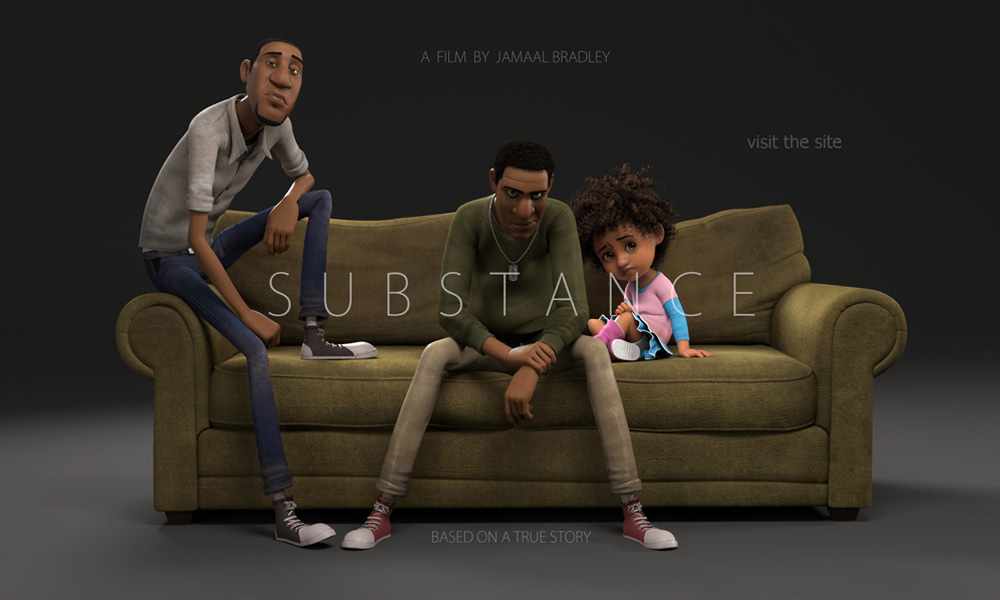
Acid Rain. Directed by Tomek Popakul
Hair Love. Directed by Matthew A. Cherry
Marooned. Directed by Andrew Erekson
Minor Accident of War. Directed by Diane Weis and Piotr Kabat
BAFTA and multi-award winning animation and visual effects studio Jellyfish Pictures announced the appointment of Joachim de Brunier to Head of Modelling. Continuing Jellyfish Pictures’ rapid expansion, de Brunier brings over a decade of creative expertise from some of the biggest animation studios in the world.
Boasting an impressive career, de Brunier joins Jellyfish Pictures following an 11-year stint at DreamWorks Animation. Joining the Hollywood studio in 2006 after studying Computer Animation at Ringling College of Art and Design, de Brunier gained his first feature film credit on the 2007 hit Bee Movie. Throughout the rest of his time at the studio, de Brunier worked on a plethora of high-profile projects, creating 3D characters and environments for family favorites including How to Train Your Dragon: The Hidden World, Bilby, Trolls, Home, The Croods and Shrek the Third.
In 2017, de Brunier moved to Europe to assist DNEG in their Feature Animation Division as a 3D Modelling Lead.
“As Jellyfish Pictures continues to go from strength to strength, it is important we have the right tools to meet our ambitious vision. Talent is absolutely on the top of that list and is the most crucial part of ensuring the successful delivery of stellar projects and a harmonious and winning team,” said CEO Phil Dobree. “We couldn’t be more delighted to have someone of Joachim’s calibre join us to further strengthen Jellyfish Pictures’ animated feature talent pipeline, bringing invaluable knowledge to not only the modelling team, but the crew as a whole and I am very proud to welcome him to the Jellyfish family.”
De Brunier added, “The team at Jellyfish have already achieved so much, producing amazing work for their episodic animation clients on projects like Dennis & Gnasher, Floogals and Bitz & Bob. Now embarking on their first animated feature, I am excited to harness that talent, taking it up a level, in an environment where we can all benefit from our varied experiences and skills. The team spirit here is contagious and I’m looking forward to creating an animated world an audience can fall in love with.”
Starting Tuesday, Heather Henson’s Handmade Puppet Dreams will premiere throughout November 2019 on ShortsTV, the first and only 24/7, linear and OTT HD TV channel dedicated to short form video entertainment, including movies and series. Created by Heather Henson — daughter of the legendary Jim Henson — the program showcases a new generation of puppeteers and puppet artists who embrace film as a medium of artistic expression.
“Handmade Puppet Dreams pushes the envelope for puppeteer and filmmaking techniques,” said Carter Pilcher, CEO and founder of ShortsTV. “ShortsTV is dedicated to showcasing the most creative minds in short entertainment and Heather Henson’s vision fits right into the array of incredible films we bring to our viewers around the world.”
A part of Heather Henson’s Ibex Puppetry, Handmade Puppet Dreams is a traveling film series that promotes independent artists exploring their handmade craft specifically for the screen. These films all focus on real-time puppetry, and allow artists to build their vision, and then breathe life into their dreams.
Directors featured in the ShortsTV selection of Handmade Puppet Dreams include Hobey Ford, Kevin McTurk, Toby Froud, Alex Griffin, Tony Giordano, Christine Papalexis, Matty Sidle, John E. Kennedy, Spencer Lott, Darrell C. Hazelrig, David Michael Friend, Raymond Carr, Kevin McTurk and Sam Koji Hale.
The lineup will be featured in three episodes: “Legends & Fairytales,” “Out In Nature” and “Strange Adventures.”
“Legends & Fairytales”:
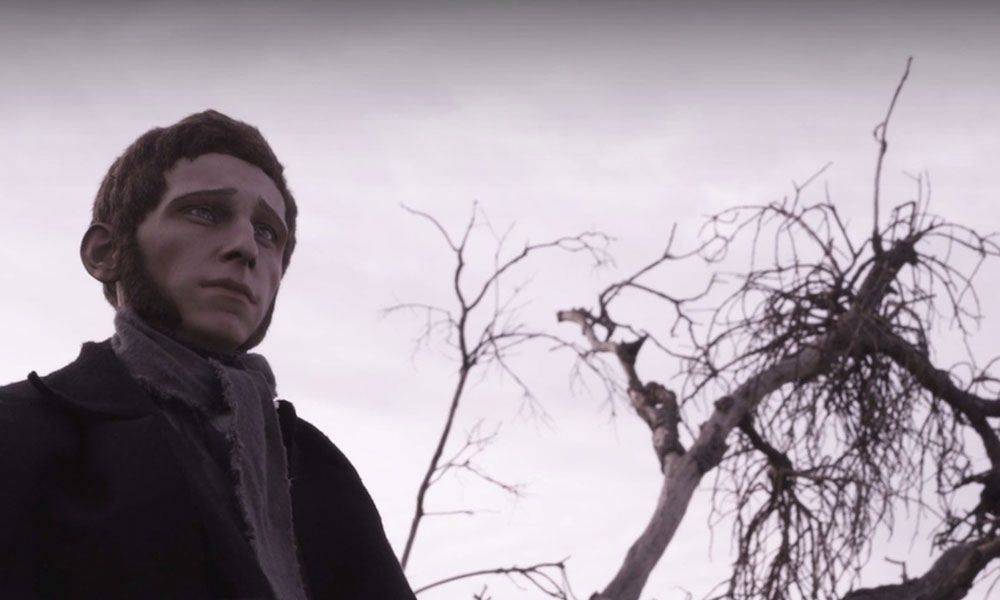
Ichabod: Sketches from Sleepy Hollow – Directed by Hobey Ford, tells the story of a 19th century school master, who comes to a small village to teach the local children and becomes the target of a prank when the town bully becomes jealous of the schoolmaster’s attention to a woman whom the bully admires as well.
The Narrative of Victor Karloch – Directed by Kevin McTurk, tells the story of Victor Karloch, who receives a journal from a colleague who describes his descent into the abysmal deep and his encounters with the ghosts of a lost Templar Knights ship.
Lessons Learned – Directed by Toby Froud. Instead of the regular tea and cake fare, Grandfather presents The Boy with an intriguing gift in Lessons Learned. When curiosity gets the best of him, the boy falls into an adventure of other-worldly experiences not intended for him.
Lhamo Trung Trung – In this filmed stage performance, a nomad in Tibet encounters a beautiful lhamo trung trung, who changes his life and leads him on a magical journey. Directed by Alex Griffin.
Harger – Directed by Tony Giordano. Evil rules the night. One man has made it his purpose to journey into the heart of hell and face the devil himself to take back what is rightfully his. This is the story of Jonathan Harker.
Amaterasu – Directed by Christine Papalexis, this is a short puppet film using found object marionettes to tell the classic story of the Japanese sun goddess, Amaterasu, and the troubled relationship with her brother Susanowo.
“Out In Nature”:
Crane and Tortoise – Directed by Matty Sidle. An adaptation of a classic Chinese folktale about the adventure and comedy of two mismatched animals. The show was conceived by Dragon Art Studio and adapted into a short film for Handmade Puppet Dreams.
The Sure Sheep – Directed by John E. Kennedy. The story of Tad, the youngest sheep on the Handley Sheep Farm, who dreams of playing his banjo with the others. But the older sheep won’t let him because they want all of the attention. When Tad gets his big break he lets the sheep join in.
Melvin the Birder – Directed by Spencer Lott. Melvin the Birder features a lonely fellow who is obsessed with capturing every species of woodpecker known to man.
Nature Calls – Directed by Darrell C. Hazelrig. The story of a hiker who inadvertently drops her cell phone, inciting a brouhaha among the creatures of the forest who all want a taste of technology.
Moonfishing – Directed by David Michael Friend. A fisherman’s hobby of sculpting is interrupted when he must perform his monthly task of searching for the perfect spot to catch the moon’s shimmering sister and illuminating the town.
“Strange Adventures”:
Hitori – Directed by Raymond Carr. In a universe made entirely of puppeteers, the puppet is always alone. Hitori is the story of a boy who is just trying to get back to where he came from.
The Narrative of Victor Karloch – Directed by Kevin McTurk. Victor Karloch receives a journal from a colleague who describes his descent into the abysmal deep and his encounters with the ghosts of a lost Templar Knights ship.
Moonfishing – Directed by David Michael Friend. A fisherman’s hobby of sculpting is interrupted when he must perform his monthly task of searching for the perfect spot to catch the moon’s shimmering sister and illuminating the town.
Yamasong – Directed by Sam Koji Hale. Nani, a patchwork girl, chases a falling star and meets Shojun, a tortoise fisherman and warrior. Together, they journey through his surreal, fantastic world to the star’s mountain resting place to discover its secrets.
Handmade Puppet Dreams airs at 8:30 PM every Tuesday, beginning November 5. This follows ShortsTV’s debut of Jim Henson’s historical works, premiering Jim Henson: The Early Works for the first time in the United States.
Amazon Prime Video, along with Critical Role, announced the service will be the exclusive streaming home for the upcoming animated series Critical Role: The Legend of Vox Machina, based on the adventures and characters of the hit story-driven, world-building digital media brand Critical Role.
Amazon Studios has ordered two seasons of the series and has also closed a first-look deal with Critical Role to develop new series to premiere exclusively on Prime Video in more than 200 countries and territories worldwide. This content agreement builds on the long-standing engagement Critical Role has had with Amazon’s live-streaming service Twitch, where they have broadcast their wildly successful live role-playing show since 2015.
“Critical Role blazed a new trail for original digital content, with fresh new voices and humor that earned devoted fans around the world, as evidenced by their wildly successful Kickstarter campaign,” said Jennifer Salke, Head of Amazon Studios. “We’re thrilled to work with the whole team to bring The Legend of Vox Machina, and new Critical Role series, to our Prime Video customers.”
Earlier this year, Critical Role launched The Legend of Vox Machina as a Kickstarter campaign for a 22-minute animated special produced by Titmouse, reaching their original funding goal within minutes. The campaign continued to gain traction thanks to Critical Role’s passionate fanbase, becoming the most-funded TV, film or animated project in Kickstarter history and raising over $11.3M, enough to fund a 10-episode season. With this new agreement, Prime Video will build on that record-breaking support, ordering an additional 14 episodes, for a total of 24 episodes across two seasons, to stream exclusively on the service.
“We were absolutely floored by the level of enthusiasm we received on the Kickstarter campaign, and now we can deliver exactly what the fans wanted, and MORE,” said Sam Riegel and Travis Willingham, cast members of Critical Role and executive producers on the series. “Teaming with Prime Video to deliver the series to fans across the globe is exciting and surreal — and we’re psyched to be able to tell even more stories with not just one, but two 12-episode seasons!”
Chris Prynoski, Titmouse President & Founder added, “I’ve been wanting to make an animated show based on fantasy role playing games since I was 1st level. I’m overjoyed for Titmouse to join the Critical Role adventuring party to slay this beast alongside the mighty Amazon army!”
Critical Role: The Legend of Vox Machina follows a group of second-rate, drunken adventurers on a quest to save the realm from terrifying monsters and dark magical forces, only to discover they become a found family in the process. It is an adult animated action-comedy series in the fantasy universe of, and starring original characters from, Critical Role.
The series stars the Critical Role cast of Laura Bailey, Taliesin Jaffe, Ashley Johnson, Liam O’Brien, Matthew Mercer, Marisha Ray, Sam Riegel, and Travis Willingham, who are reprising their roles; they will also serve as executive producers, alongside Brandon Auman (Star Wars: Resistance) and Chris Prynoski (Metalocalypse), with Sung Jin Ahn (Niko and the Sword of Light) joining as supervising director. Emmy Award-winning studio Titmouse is the animation partner. Critical Role is represented by CAA, who helped broker the Amazon deal.
Synopsis: The members of Vox Machina are a rowdy, ragtag assortment of swords- and wands-for-hire: Seven wandering dumbasses who care more about easy money and cheap ale than actually protecting the realm. But when their home city of Emon is attacked by a horrific monster, they realize they are the only ones capable of avenging their neighbors and restoring justice. United as Protectors of the Realm, Vox Machina ventures beyond the walls of Emon to battle even darker forces across the kingdom. Throughout the first season of Critical Role: The Legend of Vox Machina, they will face undead giants, help overthrow a sinister necromancer, and confront a powerful curse that has taken root inside their own group. Through it all, they learn how to function as a team, and discover they’re much more than that: they’re family.
Learn more about these unlikely heroes and their adventures at www.criticalrole.com.
Tickets on Sale, New TV Spot and Song Debut for ‘Frozen II’
Everybody, keep cool! The eagerly awaited sequel arrives in theaters November 22, and tickets are available now through Fandango. Also available today is the end-credit version of “Into the Unknown” song and lyric video, performed by Grammy-nominated Panic! At the Disco. The OST will be released by Walt Disney Records on November 15. Read all about the film in Animag’s feature story from the December issue.
‘Disney Frozen Adventures’ Mobile Game Available Nov. 14
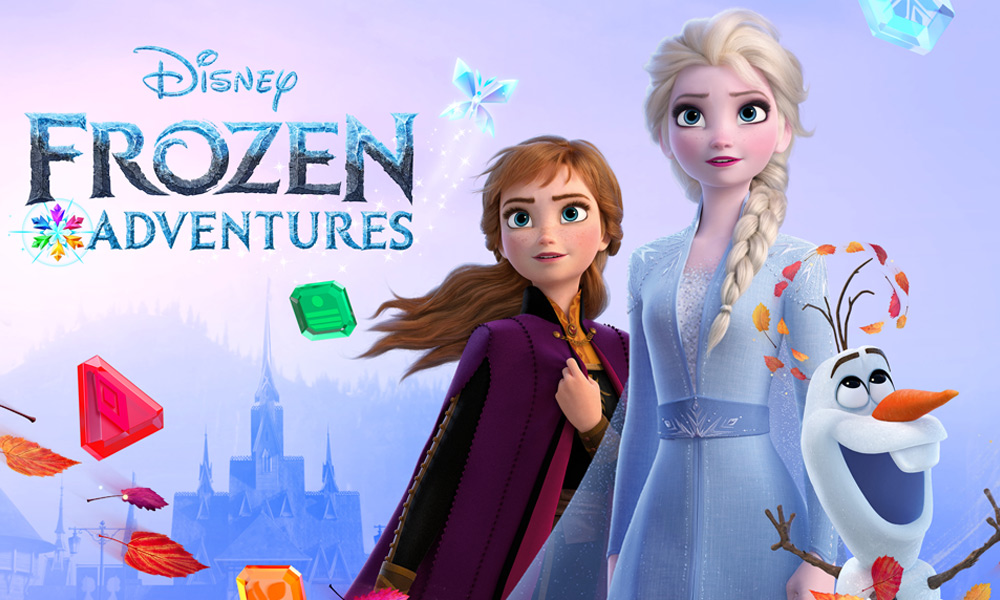
Speaking of Arendelle, fans of the magical franchise will be able to join Anna, Elsa, Olaf, Kristoff and Sven for an exciting romp through the kingdom when Jam City’s all-new mobile game debuts on November 14 (iOS / Android). Players will be able to solve puzzles and decorate the castle alongside some of their favorite characters in this match-three game, developed in collaboration with Disney to ensure utmost authenticity to the world of Frozen and Frozen II.
Bidding Now Open: Mickey Mouse and Friends Animation Art Auction
The Heritage Auctions online event concludes November 27. Featured items include original drawings from iconic movies like Bambi, Peter Pan, Snow White and the Seven Dwarfs, Sleeping Beauty and Lady and the Tramp by legendary artists, as well as promo art and sketches from delightful Disney shorts, including that slice of Hollywood history Mickey’s Gala Premiere.
CALL FOR ENTRIES: World Festival of Animated Film – Animafest Zagreb
Films completed after Jan. 1, 2019 are invited to submit for consideration in the Short Film, Student Film, Films for Children, Croation Film, Feature Film and VR Animation categories. Deadlines: Feb 1, 2020 (short films, all categories), March 15, 2020 (feature films and VR projects). The 30th Animafest will be held June 8-13, 2020.
’Fantastic Beasts 3’ Moving Forward with Spring 2020 Start
The next installment in the Harry Potter spinoff will have a bigger role for comedian-actor Jessica Williams, who featured briefly in the second film Crimes of Grindelwald. Her character, Professor Eulalie “Lally” Hicks, is a teacher at Ilvermorny School of Witchcraft and Wizardry — the “American Hogwarts”. Stars Eddie Redmayne (Newt Scamander), Jude law (Albus Dumbledore), Johnny Depp (Gellert Grindelwald), Ezra Miller (Credence / Aurelius Dumbledore), Alison Sudol (Queenie Goldstein), Dan Fogler (Jacob Kowalski) and Katherin Waterston (Tina Goldstein) are set to return, as is director David Yates. Author J.K. Rowling and Steve Kloves are penning the screenplay, with Rio de Janeiro as the setting.
WATCH: Marvel HQ Continuously Streaming LEGO Specials Until Nov. 11
Fans can watch all of the Marvel LEGO specials on a continuous loop until next Monday. Tune in to catch Maximum Overload, Avengers Reassembled, The Thanos Threat, Trouble in Wakanda and Vexed by Venom all week long.
Disney Frozen AdventuresDisney Frozen AdventuresDisney Frozen AdventuresDisney Frozen AdventuresMickey Mouse and Friends Animation Art Auction
As Oscar season kicks into gear, Animation Magazine caught up with some of the talented directors who helped bring the year’s most compelling animated stories and visual achievements to the big screen. Here are their personal takes on their own work and the broad view of today’s animation scene.
***This feature originally appeared in the December ‘19 issue of Animation Magazine (No. 295)***
On the State of Animation: I think it’s exciting. We all have friends throughout the industry and the animation community is a pretty tight-knit family. And I love that about it. We’re always rooting for the other studios and I get emails from them, too, that say they’re rooting for us. So, I think everybody is pushing each other to create better visuals, better stories. And there’s no real competition, at least in my eyes, with each other. I’m always the first one to send someone an email and say, “You just made an awesome movie.”
Fave Scene: I think the scenes I love the most are the ones that delve a little deeper into my own creative process. When I write a screenplay, or when I storyboard or design a character, I always have a little movie playing in my head. It’s that inspirational pipe dream that you’re always trying to match up to. Early on in the process, I worked on a piece of artwork together with Warwick Johnson Cadwell and Trevor Dalmer … just a quiet little moment of Sir Lionel sitting in his study reading a newspaper … but it turned out to be my eureka moment. It was the image that got closest to the movie in my head … there’s an early scene when Sir Lionel is in his study having a conversation with his long-suffering valet, Mr. Lint, and everything about the scene plays like the movie I conjured up in my head so many years earlier. In fact, it plays better! The animation, the costumes and décor, the gorgeous lighting — that scene to me is a sense of “objective achieved.”
On the State of Animation: I first got into the industry at a pretty anemic time. There were features happening, and some exciting developments here and there, but they were intermittent. The only real chance an artist had to work on quality long-form content was to pack your bags and move to L.A. Back then, you were lucky to work on anything. You took what you could get. I think artists now are spoiled for choice. There is so much happening, and what’s happening is growing increasingly diverse. I think there are obvious challenges ahead for theatrical animated features. It’s getting harder and harder to get noticed in a landscape dominated by the big studios, but competition means attainable, quality projects are increasing in number. Streaming has leveled the playing field somewhat, and in that battle to win the viewing public, studios are being pushed to make increasingly daring decisions. It’s there I think… I hope … that we’re seeing the value in an industry that isn’t just aping itself. Just look at what’s happening with Spider-Verse, Love, Death & Robots and Undone (to name but a handful). As an animation professional I’m excited, and as an animation fan I’m even more excited! We’re entering a new era.
Fave Scene: It’s the seven-minute intercom sequence. This is the part of the movie where our main character falls in love with Gabrielle. We catch Naoufel as a little boy without any prospects for the future. This is the worst night of his life. He has an accident and then he arrives in a big building with an intercom. He doesn’t see her at this point and we only hear her voice. Naoufel used to recall a lot of sounds as a child. He is very keen on sounds. This will reconnect him to his life, and I like the way they are both positioned in this sequence. The girl is on the highest level of this tall, multi-storied building, while Naoufel is very low on the ground level. He is reunited with her through her voice coming through the intercom. This is the scene where these two separate destinies merge into one story.
On Making Animation for Adults: It’s tough to make animated films for adults, especially when the films don’t fall into certain accepted boxes or frameworks. Those films often have to take place in certain settings or deal with certain subjects, notably war. As soon as you try to get out of those contexts you lose legitimacy in certain people’s eyes. They’ll ask why you don’t make it live action instead. As an animator, you have a lot of freedom to explore subjects with greater maturity when making a short, but you make features on a more industrial scale. I wish it were easier to finance projects that could put audiences on edge, and that don’t fit neatly into any one box. The industry has to move forward together. We need more producers and distributors willing to take chances, willing to stop self-censoring. Do all animated films need to appeal to children? No way. Do all images have to be pretty? Maybe not. We have to deal with those questions in order to evolve. And I hope that this film does what it can to push that conversation forward. [Second response, via Variety]
Josh Cooley
Josh Cooley, Writer/Director, Toy Story 4
Fave Scene: Trying to choose a single scene that I’m the proudest of is like trying to decide which piece of a puzzle is my favorite. Each scene had its individual challenges and rewards, and they each added up to the complete film, so I guess I’m proud of all of them. That being said, the scene that the entire crew put extra attention into, carefully crafting every frame, was the final scene where Woody decides to stay with Bo and says goodbye to Buzz and his friends. Because every scene in the first film, and in the subsequent films, was building to that moment, that final scene had to land perfectly. There’s nothing more rewarding for a director than sitting in the theater with an audience and hearing laughter and sniffles around you. I am very proud of being able to connect emotionally with the audience during that scene.
On the State of Animation: Since I started in the industry, I’ve noticed that in the United States, animation is slowly but surely beginning to be seen as a medium that is not just for children. And I think that’s great. Animation is not a genre, it’s a medium for telling stories… all types of stories. With all the different ways to watch media these days, I’m most excited to see animation taken in a direction we haven’t seen yet, to tell stories that only animation can explore. In order to stand out from everyone else, these different streaming services are going to have to take risks and try something with the medium that is new and exciting. Spider-Verse is an example of a film that did that and stood out to American audiences in a huge way. I love being surprised by animation’s endless possibilities.
Fave Scene: It’s so hard to choose! One of my favorites is the bridge sequence. So many departments got to show off their skillset. The animation, effects, production design, lighting, wind, snow, lights in the sky, Everest at his full power? It’s stunning. That sequence took a year to finish, but is a great example of what our talented team accomplished when they worked as one.
On the State of Animation: I feel like the current state of animation is shifting rapidly beneath our feet. With the dawn of streaming platforms such as Netflix, there are many more opportunities for original content. I’ve seen many animators, directors, storyboard artists and production folks leave the bigger studios in search of creative freedom, diversity of style and diversity of storytelling. The pluses? More opportunity means more jobs and more possibilities for all. It also leaves the door wide open for more diverse content. Minuses? It might become increasingly difficult for the bigger studios to hold on to a core group of artists.
Fave Scene: I’m personally most proud of the goodbye moment in HTTYD: The Hidden World. It represents the goal of the trilogy — a bittersweet farewell — and the peak of Hiccup’s transformation from self-serving and emotionally needy to wise and selfless. It was always going to be the most difficult moment to land, being that audiences loved Hiccup and Toothless together (and here we were tearing them apart). But their separation was the fruition of a long-held goal, and it speaks to the kinds of movies that I love, in which disparate characters come together for a time, but in the end must parts ways, leaving both sides changed forever by the experience. From E.T. to Harold and Maude and The Fox and the Hound, it’s been a story theme that has always moved me. And I’m glad that we were able to contribute another tale to that profound and indelible tradition.
On the State of Animation: On the plus side, animation has reached a state of technological maturity that allows for just about any visual imaginable to be put on screen. So in that sense, the sky is the limit. It’s very exciting! On the potential downside, it becomes the challenge of the filmmakers to really do something different with that opportunity, and not simply repeat ourselves in terms of style and storytelling. It seems we need to take more risks and present audiences with something they’ve never quite experienced before. I thought Spider-Man: Into the Spider-Verse did a fantastic job of pushing boundaries. Hopefully, we will continue to push ourselves toward fresh and inventive breakthroughs.
Fave Scene: I’m very proud of the fact that we were daring enough to do the things we did. We can’t get deeper into the story because that will give it away. I’m proud of what both Anna and Elsa are willing to do, their strength of character as they wrestle with some of the hardest choices for themselves and each other. I think that concept is what I’m most proud of.
On the State of Animation: What I love is the artistry of what animation is. I think, for me, it’s the purest of cinematic artforms, because everything is built from imagination. It’s purely built from nothing to a fully realized, believable world, and striving for full immersion into our imagination. And it reflects the filmmakers. We’re working with a lot of fantastic new artists who are up and coming, and the beauty and elegance of what they’re doing is incredible. So, the artistry is being celebrated a lot more and we’re seeing how it was in Walt Disney’s time, that it’s animation for all ages, versus just seeing it as a kid’s thing. That’s allowing us to push ourselves. For me, I feel like this is a time where, because technology is letting us open up as much as we want, it’s imagination taking over again. There aren’t those limitations in the past. I’m just so excited to see creatively where it’s going to go.
On Creating a 2D Look in a CG World: It’s interesting to see where traditional animation would be today if CGI hadn’t been invented. That’s the look we wanted to achieve in the movie. The aesthetic is something that a few years ago would have been considered impossible. We are picking up traditional animation where it was left off, which was sometime in the ’90s. I thought, “What can we do to the traditional animation pipeline where you can tell that characters look like stickers put on painted backgrounds?” We didn’t want it to look like that. I always felt like traditional animation should keep evolving, they should keep being pushed forward. So the aesthetic comes from, like, what can we do, you know, to the traditional animation pipeline by incorporating today’s tools and ingenuity and creativity, and make it look different. Incorporating complex lighting was very clearly a step forward that couldn’t be done before, but there’s advances in technology and there’s a different way of thinking that allowed us to do that. For the first time, you have a traditionally-made film where the character in the background looked like they’re exactly from the same world.
Fave Scene: My favorite sequence is the ending. The whole movie is really a metaphor for modern parenting, and I think this scene captured the genuine emotion of what parents go through as they recognize they can’t control or safeguard every aspect of their children’s lives.
On the State of Animation: In reality, every movie made right now seems to be an “all audience four quadrant” family film. This used to be where animated films were unique. However, those days have passed since most parents are happy bringing their young children to the latest superhero movie, science-fiction fantasy or animated reboot. In my view, we have to strive to retain our distinction through unique visual stylization and strong comedy that can only be achieved through broader character animation.
Monday at the Adobe MAX event, Adobe announced the latest release for Creative Cloud, empowering video professionals to work smarter, deliver faster, and do more creatively.
Highlights across these tools include the highly anticipated Auto Reframe feature in Premiere Pro, which uses Adobe Sensei to intelligently optimize videos for vertical, horizontal, and 16:9 formats; the introduction of Character Animator 3.0 with improved scene cameras that add new dynamics to animations; and new efficiency and performance improvements for After Effects, Audition and Premiere Pro. And, for the first time, Premiere Rush users can now share their videos directly to TikTok from the Premiere Rush app — making it the first app to offer direct sharing to this leading destination for short-form mobile video.
The 3.0 release of Character Animator rounds out the feature set, providing a comprehensive workflow for animation studios and content creators who wants to explore the art and expand their storytelling:
Scene cameras: Set up shots within scenes — like wide, close-up and zoom — and create camera moves between them. Cut between two characters in a scene or smoothly pan back and forth as they interact. Create triggers for scene cameras for added efficiency in production or richer storytelling in your livestreams.
Keyframes: Announced last month, keyframes allow users greater precision and creative control. Characters and background elements can be positioned and timed, while allowing artists to fine-tune physics behaviors of interactive elements like wind strength and gravity direction, as well as camera moves. These can be triggered on-the-fly for live performances.
Audio triggers: Enliven scenes by adding triggerable audio, like a character’s signature sound, spoken exclamation or musical phrase, or trigger audience applause or laugh tracks right on cue. Characters become more dynamic and animation workflows become simpler with audio automatically synced to the triggerable animated actions or performance timing. Use or record original audio elements, or choose clips from the free Audition Sound Effects library.
Motion lines: Emphasize movement, illustrated speed and trajectory by adding motion line behavior to a handle in a character’s rigging, then adjust its parameters to trail the character’s motion with colored lines of varying width, opacity, lifespan and other attributes.
Camera-based Muting and Save Version: Prevent off-screen voices from triggering automatic lip-sync with camera-based muting. Character Animator already auto-saves your work as you go, but a new Save Version function allows you to save and track iterations of your project as you go.
After Effects has been tuned up with high-performance updates and speed improvements across the board. Notably, combining CPU threading improvements and new GPU architecture for fluid playback of cached previews, so users can interact with the app while previewing in real time — facilitating the creative decision-making experience.
Some of AEs most-used features have also been sped up: Multichannel EXR files are up to 10-12 times faster, and are importable as layered compositions; Shape layers are snappier, shape grouping and ungrouping is quicker and easier with a new context menu; expressions that don’t change will now only be calculated once, and expression access has been added to text style properties; and Content-Aware Fill is now twice as fast and uses half as much memory.
The new release of AE also includes an update to Maxon Cinema 4D Lite (based on Cinema 4D Release 21) motion graphics tool, which can create and import 3D content for AE projects — add C4D content like footage; extract scene data like cameras or 3D objects. The latest release of C4D Lite can be launched within After Effects and as a standalone application. New features include the caps and bevel tools for creating extruded text and splines with more personality. A new high-performance denoising filter improves visual quality and reduces rendering times.
Adobe also announced Adobe Animate 2.0, which boasts a massively revamped user interface and simplified workflows. The new release adds the ability to export complete or part of an animation to any video format. There’s also a new “Fluid Brush” vector brush (also available in Adobe Fresco). Plus, in-app guided tutorials for new users.
ABC will soon be celebrating the joy of the holiday season. In November, the network serves up a bounty of Thanksgiving-themed episodes and the classic animated special A Charlie Brown Thanksgiving. In December, ABC decks the halls with special Christmas and Hanukkah-themed episodes — the return of fan-favorite unscripted series The Great Christmas Light Fight and The Great American Baking Show: Holiday Edition; and an all-new holiday movie, Same Time, Next Christmas, starring Lea Michele. Timeless cartoons and beloved holiday films will also return. And the fun continues after Christmas with New Year’s-themed programming ringing in 2020.
Holiday animation highlights on ABC (all times ET):
Wednesday, Nov. 27
8-9 p.m. A Charlie Brown Thanksgiving – In the 1973 special, created by late cartoonist Charles M. Schulz, Charlie Brown wants to do something special for the gang. However, the dinner he arranges is a disaster when the caterers, Snoopy and Woodstock, prepare toast and popcorn as the main dish. Humiliated, it will take all of Marcie’s persuasive powers to salvage the holiday for Charlie Brown. A special bonus cartoon, This Is America, Charlie Brown: The Mayflower Voyagers, will air with the Peanuts classic: The year is 1620. After 65 grueling, sea-tossed days, the Pilgrims are in view of America’s shores – and Charlie Brown and the Peanuts crew are with them as they experience firsthand the lifestyle of the early settlers and celebrate the first Thanksgiving. The special will air with Spanish audio via SAP.
Sunday, Dec. 1
8-9 p.m. Santa Claus Is Comin’ to Town – In the perennial favorite created in 1970 by Rankin-Bass Productions (Rudolph the Red-Nosed Reindeer, Frosty the Snowman), Fred Astaire narrates the timeless tale of Kris Kringle, a young boy with an immense desire to do good things for others. The vocal cast features Mickey Rooney as Kris Kringle; Keenan Wynn as Winter; Paul Frees as Burgermeister Meisterburger, Grimsby, the soldiers and the townsmen; Joan Gardner as Tanta Kringle; Robie Lester as Jessica; and Andrea Sacino, Dina Lynn, Gary White and Greg Thomas as the children.
Thursday, Dec. 5
8-9 p.m. A Charlie Brown Christmas – Celebrate the joy of the holidays with the classic animated Christmas-themed Peanuts special, created by the late cartoonist
Charles M. Schulz. In the digitally remastered 1965 special, Charlie Brown complains about the overwhelming materialism that he sees everywhere during the Christmas season. Lucy suggests that he become director of the school Christmas pageant and Charlie Brown accepts, but it proves to be a frustrating struggle. When an attempt to restore the proper spirit with a forlorn little fir Christmas tree fails, Charlie Brown needs Linus’ help to learn what the real meaning of Christmas is. Charlie Brown’s Christmas Tales will also air with the Emmy-winning classic.
Thursday, Dec. 12
8-8:30 p.m. Olaf’s Frozen Adventure – Olaf (voice of Josh Gad) teams up with Sven on a merry mission. It’s the first holiday season since the gates reopened and Anna (Kristen Bell) and Elsa (Idina Menzel) host a celebration for all of Arendelle. When the townspeople unexpectedly leave early to enjoy their individual holiday customs, the sisters realize they have no family traditions of their own. So, Olaf sets out to comb the kingdom to bring home the best traditions, and save Anna and Elsa’s “first Christmas in forever.” Jonathan Groff also rejoins the original cast of Arendelle characters as Kristoff.
8:30-9 p.m. Toy Story That Time Forgot – Pixar Animation Studios’ special for television features favorite characters from the Toy Story films. During a post-Christmas play date, the gang finds themselves in uncharted territory when the coolest set of action figures ever turn out to be dangerously delusional. It’s all up to Trixie the triceratops if the gang hopes to return to Bonnie’s room. The cast includes Tom Hanks as Woody, Tim Allen as Buzz, Kristen Schaal as Trixie, Kevin McKidd (Grey’s Anatomy) as Reptillus Maximus, Wallace Shawn as Rex, Timothy Dalton as Mr. Pricklepants, Don Rickles as Mr. Potato Head and Joan Cusack as Jessie.
Tuesday, Dec. 17
9:30-10 p.m. Shrek the Halls – DreamWorks Animation presents a half-hour of entertainment starring America’s favorite ogre and his friends, featuring the voices of Mike Myers, Eddie Murphy, Cameron Diaz and Antonio Banderas. Just when Shrek thought he could finally sit back, relax and enjoy his happily ever after with his new family, the most joyous of all holidays arrives. It’s Christmas Eve and everyone is filled with holiday cheer — except for Shrek. He isn’t exactly the picture of yuletide joy, but for the sake of Fiona and the kids, he tries to get into the spirit of things as only an ogre can. Unfortunately, everyone seems to have their own ideas about what Christmas is all about, so when Donkey, Puss In Boots, Gingerbread Man and the whole gang try to join in on the fun, Shrek’s plans for a cozy family celebration end up spiraling into one truly unforgettable Christmas.
Thursday, Dec. 19
8-8:30 p.m. Disney’s Prep & Landing – Walt Disney Animation Studios brings you a half-hour holiday special tale of an elite unit of elves known as Prep & Landing. After working tirelessly on the team for 227 years, an elf named Wayne is upset when he doesn’t receive an expected promotion to be the Director of Naughty List Intelligence. Instead, Magee, the North Pole Christmas Eve Command Center Coordinator (NPCECCC for short), partners Wayne with Lanny, an idealistic rookie who has an undying enthusiasm for Christmas. During their Christmas Eve mission, Wayne and Lanny encounter unexpected challenges that push them to their limits. Will the elves be able to guide Dasher, Dancer and the rest of the reindeer pulling Santa’s sleigh through a raging snowstorm to ensure a merry Christmas for all?
8:30-9 p.m. Disney’s Prep & Landing 2: Naughty vs. Nice – The yuletide adventures of Christmas elves Lanny and Wayne continue. With the Big 2-5 fast approaching, Wayne and Lanny must race to recover classified North Pole technology that has fallen into the hands of a computer-hacking Naughty Kid! Desperate to prevent Christmas from descending into chaos, Wayne seeks out the foremost Naughty Kid expert to aid in the mission, a bombastic member of the Coal Elf Brigade who also happens to be his estranged brother, Noel.
Sunday, Dec. 22
7-8 p.m. I Want a Dog for Christmas, Charlie Brown! – This 2003 Peanuts special centers on ReRun, the lovable but ever-skeptical younger brother of Linus and Lucy. It’s Christmas vacation and, as usual, ReRun’s big sister is stressing him out, so he decides to turn to his best friend, Snoopy, for amusement and holiday cheer. However, his faithful but unpredictable beagle companion has plans of his own, giving ReRun reason to ask Snoopy to invite his canine brother, Spike, for a visit. The cast includes Jimmy Bennett as ReRun, Adam Taylor Gordon as Charlie Brown, Ashley Rose Orr as Lucy Van Pelt, Corey Padnos as Linus Van Pelt, Hannah Leigh Dworkin as Sally, Nick Price as Schroeder, Jake Miner as Pig Pen/Franklin, Kaitlyn Maggio as the little girl and Bill Melendez as Snoopy.
Thursday, Dec. 26
8-9 p.m. Happy New Year, Charlie Brown – ABC and the Peanuts gang will ring in the new year with this animated special, created by late cartoonist Charles M. Schulz, along with She’s a Good Skate, Charlie Brown. In Happy New Year, Charlie Brown, the gang is ringing in 1986, and Marcie and Peppermint Patty are throwing a big New Year’s Eve bash. Charlie Brown plans to celebrate the holiday by curling up with a big book that weighs nearly as much as he does, Tolstoy’s War and Peace. The book’s weight doesn’t stop him from lugging it to Lucy’s pre-party dance class, where he cuts a mean rug with a rollicking Patty. With just 1,131 pages to go, Charlie Brown takes another break, this time for the party, and summons the courage to invite his true love, the little red-haired girl. She doesn’t respond, but hapless Chuck shows up anyway — with Tolstoy in tow. Then, he settles down with the book — on a porch swing in a snowstorm— and in so doing, misses the evening’s big surprise. In She’s a Good Skate, Charlie Brown, disaster strikes as Peppermint Patty heads to her first major ice-skating competition with coach Snoopy and faithful companion, Marcie, by her side. As always, the unassuming Woodstock flies in to save the day.
Cartoon Network has announced a suite of brand-new episodes for its award-winning, global hit series The Amazing World of Gumball. Titled “Darwin’s Yearbook,” this series of special episodes is set to bring fans more hilarious moments with Gumball, Darwin and their friends at Elmore Junior High.
Set to roll out on Cartoon Network from December 2019, “Darwin’s Yearbook” will kick off with six special episodes, which are framed around Darwin creating the Elmore Junior High Yearbook at the request of Principal Brown. Each episode will focus on a different character from school, like class clown Banana Joe, the teleporting ghost Carrie, and even the teachers of Elmore Junior High, as Darwin is set the task of determining which teacher is most deserving of a precious slot in the class yearbook.
As Darwin seeks to fill the pages of the yearbook with photos of his friends, he soon realizes that these things are never that simple. But, with the help of his friends, their “Elmore Plus” accounts and the internet, Darwin might just be able to complete his yearbook adventures.
Launched in 2010 and currently in its sixth season, The Amazing World of Gumball continues to rank as one of Cartoon Network’s most popular shows worldwide – regularly attracting more than 130 million viewers, as well as mass critical acclaim.
The Amazing World of GumballThe Amazing World of Gumball
***This article originally appeared in the October ‘19 issue of Animation Magazine (No. 293)***
It has been over 14 years since Moscow-based Aeroplane Productions began development work on a property that proved to be a huge global success. After purchasing the rights to children’s author Eduard Uspensky’s The Wee Warranty Workers, the team at Aeroplane introduced the world to The Fixes, a race of miniature repairman who secretly live inside our machines, appliances and devices, conscientiously maintaining and repairing them with the aid of their tool-packed pack-o-mats.
The Fixies were first launched as a TV series in late 2010, and the franchise has continued to grow year after year, not only as one of Russia’s biggest animated brands of all time, but as an international IP that continues to penetrate new markets. Beyond the series and features, the brand boasts a robust book and magazine program with hundreds of titles, thousands of licensed products, live stage and ice shows, games and apps, and massive digital success with more than 15 billion views around the world.
“As independent producers, we are very proud of the step-by-step approach we have taken growing The Fixies first domestically and then internationally,” says Michael Mennies, Aeroplane’s producer and director of international productions. “Our general approach is actually straightforward. First, we grow the various components of our 360-degree hit brand at home, and then we can make those new aspects of the brand available to the international market.”
Julia Sofronova, Aeroplane’s managing director, says the show became a hit in Russia in the first few years despite the limited number of episodes. “It wasn’t until 2014 when we finally had 104 episodes (26 half-hours) that we could really start making inroads internationally,” she notes. “Our latest episodes (105 to 130) are currently broadcast on the U.S. network Kids Central in English as well as Spanish (SAP) and Tencent’s QQ platform in China.”
Fourth Season, Second Movie and Spinoff Show
The Fixies is currently closing up the financing for the production of its fourth season (episodes 157-208) with the goal of starting production in 2020. In addition, the show has welcomed over 80 companies as licensees and has been dubbed into more than 20 languages worldwide. It should also be noted that the show has performed very well in China: The first two seasons have premiered on CCTV, while season three is scheduled to air later this year, followed by a number of other Chinese broadcasters. The show is also hugely popular online in China with over 11 billion views on Tencent, IQIYI, Youku, Future TV and others.
Meanwhile, the first Fixies movie sold to more than 40 countries and made over $8 million, and became the most successful Russian produced CGI film of all time in the country in 2018. The sequel, titled The Fixies vs. Crabots, will be released by Central Partnership on December 26 of this year. The 85-minute, CG-animated feature finds Professor Eugenius in great danger as his college sweetheart Erica threatens to reveal to the world that he got help from the Fixies in beating her out of their university’s top prize. Erica then challenges the Professor to a new competition, but this time she is aided by helpers of her own — the miniature robotic crabs known as the Crabots!
Erica’s fascinating new helpers will be the stars of their own animated series as well. Aeroplane is developing a new 104 x 7’ series titled The Crabots, which follows Erica’s team of tiny team of AI robots, her helpful teenage niece Martha and her best friend, the scheming and misguided Gordy. Mennies and his team are working on a few pilot episodes and are actively seeking co-production partners for the show. They will be bringing the show to MIP Junior in Cannes and MIP Cancun later this year.
We ask Mennies why he thinks The Fixies have captured the imagination of young audiences worldwide. He responds, “I think the Fixies’ mythology has a universal appeal because it adds humanity and humor to what we often see as a cold, techno-centric world. No matter where you live, there is little difference in what a computer, telephone, television, or washing machine looks like. All of us are trying to figure out our relationship with technology. Since Fixies live inside of our gadgets and take care of them, we can find comfort in the idea that there are always kind-hearted Fixies nearby helping us.”
Last month, Foundry released version 12 of their flagship, Nuke. And there is some pretty groovy stuff in it. So, with minimal preamble, let’s dive in.
The most robust addition into the Nuke environment is migrating CaraVR nodes. CaraVR, for those of you not in the know, was Foundry’s answer to virtual reality 360 camera workflows. There are a lot of processes that are at least more difficult, if not unique to working with VR. Unique is stuff like seamlessly stitching together multiple cameras. More difficult would be dealing with extreme lens distortion along with painting out stuff and rotoing. The distortion and camera solvers are actually even stronger than the Nuke-centric versions. These used to live in CaraVR, but CaraVR will no longer be a thing, and all of the tools will migrate to Nuke.
Foundry’s response to the context-aware fills in Photoshop and After Effects is a new InPaint node: Paint strokes will intelligently use surrounding information to blend over whatever you are trying to remove. The tool remains “live,” so that you can make adjustments like transforming the sampling area to get a better result. Because the fill remains temporally active as well, the result will change and match during subtle light and shadow changes.
Combining GridWarp and a Tracker ends up with a GridWarpTracker (duh!). This is incredibly powerful stuff which uses the magical Smart Vectors for tracking surfaces and patterns that distort, and then puts a grid warp that follows the track on top. Then, you can put adjustment layers on top of that! You end up with a non-destructive, versatile workflow for tracking and artistically adjusting patches for beauty work, digital prosthetics, practical makeup enhancements, logo removals, etc.
A seemingly small addition, but absolutely ubiquitous in the compositors’ toolbox, is the Edge Extend. Simply put, edges are a big thing, and they are a pain when keying. So, the workflow is to erode the edge some, and then pull pixel values back out from the inside of the shape, this is then pre-multiplied against the matte — and voila, no halos. At least, that’s the idea. There are plenty of home-grown methods as well as gizmos on Nukepedia. But this one is optimized, compiled code and GPU accelerated.
For the 3D side of things, Nuke 12 has soft selections for geometry. Now, I wouldn’t want compositors to go in and modify geo as a common practice, but just in case you need to tweak to match a silhouette better, or even more often, adjusting meshes to catch environment projections, this is much better than pulling verts.
For the technical users and directors, Foundry has implemented a way to maintain OCIO color spaces and establishing defaults for different types of inputs to ensure that the compers are in the correct color space. It can also be customized to the show that artists are working on. I say the less the artists don’t have to worry about color science, the better.
To cap off the release: The engineers have tinkered under the hood to optimize UI response, keeping things spry with thousands of nodes, and media playback for resolutions that just seem to be getting bigger.
Reallusion’s Crazy Talk Animator has evolved into Cartoon Animator 4.0, keeping all the cool tech from the webcam-driven animation and skeleton-based puppet-driven rigs, but bolstered up with tools to refine the process.
With the base Cartoon Animator and the Motion LIVE 2D plugin (which you can purchase in a bundle), you get a capture system that drives the animation of your character in real time, which includes voice recording and lipsync. You can use either a dedicated webcam, or an iPhone X or greater, which then utilizes the depth capabilities of the camera for even more fidelity. The motion capture transfers blinks, brows, nose scrunches, whatever, and if its mapped to the character, it’ll follow along. It’ll even do head turns if the character is set up with the 360 head creation (see below). In addition, motion can be propagated to upper body movement to enhance the action. The amount of influence the motion capture has on the animation is something that can be dialed in for more subtlety or exaggeration, depending on your goals. If you need more overlapping animation, you can turn on a secondary “breathing” idle animation.
While prepping your character, the tool allows you to build a 360-degree version, so that when you have head turns or looking up and down, for example, you can customize the looks from those angles — almost like setting keyframes. Then, when you drive the animation with the motion capture, you’ll have fluid perspective changes.
This can be recorded and edited later, or, you can livestream through tools like OBS, XSplit and FFsplit directly out to services such as Twitch, YouTube and Facebook Live. What a world we live in!
We have seen many skeleton-based animation rigs before, but CA4 has added “Smart” IK systems to provide ways to switch between IK effector-based animation with FK systems, compounded with locking mechanisms to plant feet and hands. This works not only with footsteps and such, but you can always include props. All of this can be transferred to other, similar, but disproportionate characters. The retargeting adjusts the animation so that the feet and hand locks still work properly.
With a Photoshop to Character Animator pipeline, you can bring your characters from a layered PSD, and CA4 will be able to auto-rig standard character types. Even if you have a unique character than doesn’t abide by typical templates, you can rig up the character, and then take a snapshot, which CA4 will make into a UI controller. Now that’s fancy!
In its nascent form a few years ago, the technology was still rudimentary and rough, but you were able to create a lot of content quickly. Now, as the tech matures, and more artists have been giving feedback, the results are getting better and better. Character Animator 4 bundle with the Motion LIVE plugin and the Photoshop pipeline runs about $300, which in my opinion, isn’t bad compared to what you get out of it.
We didn’t get to cover the Ziva 1.6 release, so this is going to be a combined view of both versions 1.6 and 1.7 of a rigging system that has been picked up as the go-to plugin by many big VFX houses such as Sony Imageworks, DNeg, Image Engine, Scanline VFX, MPC and Method Studios.
Ziva 1.6’s primary claim to fame is the inclusion of what they call ZAT, or Ziva Anatomy Transfer. You see, rigging isn’t for the faint of heart. Frankly, it gives me anxiety. When you have to rig a pack of wolves or a pride of lions, with animals varying in different sizes and proportions, the idea of establishing unique muscle simulation rigs is at the very least daunting, and quite possibly untenable.
ZAT takes the source muscle system and uses deformers to fit the system into the new creature, while maintaining the relationship, contact points, etc. Python-based tools transfer the attributes from the original. Through the Ziva menu, there are numerous toolsets for management of the ZAT functions. If this sounds like it might have a learning curve, well, Ziva provides two highly refined examples for subscribers. Zeke the Lion and Lila the Cheetah can be used as a test-bed for getting up and running and better understanding the process.
Ziva 1.7 adds to the list of tools a way to artistically control muscle shapes, called Art Directable Rest Shapes. For the most part, much of Ziva is based on simulation. Muscles and tissue retain volume while activating, sliding on one another, and extending and compressing. But in reality, muscle systems are just as unique from person to person or creature to creature as fingerprints. They are basically similar, but there are subtle differences. On Black Panther for example, we had Chadwick Boseman, Michael B. Jordan and their stunt doubles go through a series of movements so we could see how their muscles behaved and looked in certain poses.
At that time, we weren’t using Ziva, but if we had been, we could have tweaked the muscle systems to get their CG digital doubles to roughly match. With Ziva 1.7, we would have looked at the specific shapes, extracted the muscle in that position, and then sculpted the difference into that pose position. Ziva would then be able to hit that look when an arm or a leg was in that pose. This would get us even closer to matching the live-action counterparts.
Of course, this isn’t just for photorealistic stuff. Cartoony animation needs custom muscle sculpts even more than the realistic kind. Frequently, animation is squashing and stretching well beyond what is “real” or natural, and the structures underneath the skin have to abide. The ADRS give the artists the control to customize those forms.
It’s apparent that the folks at Ziva are passionate about rigging, and they want us to be just as excited — so we can go out at create amazing creatures and characters. For students and educators, the license is a mere $60/year. The indie version is $50/month, which sounds expensive, but if you can rig up a character in days instead of weeks, that is well worth the price of admission.
Price: ($60-$95 (VFX Batch Short-Term), $600 per year (VFX Batch); $1,800 per year (VFX Studio), $8,800 (Ziva Humans Film Studio), $10,000 (Gala the Horse)
Todd Sheridan Perry is a VFX supervisor and digital artist whose credits include Black Panther, The Lord of the Rings: The Two Towers and Avengers: Age of Ultron. You can reach him at todd@teaspoonvfx.com.
One Piece – Episode of East Blue: Luffy and His Four Friends’ Great Adventure
Funimation: $34.98; 1 DVD, 1 Blu-ray
The rollicking comedy-adventure One Piece ranks among the most popular cartoon franchises in the world, but the staggering volume of material makes it daunting for a novice and/or adult to tackle.
Creator Eiichiro Oda said he began the manga in 1997 to tell the story he wanted to read as a boy. Obviously, an awful lot of other people wanted to read (and watch) that story. Almost 450 million One Piece books have been sold— it rivals Harry Potter in popularity and is in the Guiness Book of World Records. The TV program has passed the 850-episode mark, and is still going, plus specials, theatrical features, OAVs, video games, light novels and a flood of consumer products. Just last month, Funimation released the 20th Anniversary feature One Piece: Stampede, in which the pirates fight off marines at a special pirate expo.
The TV special One Piece: Episode of East Blue: Luffy and His Four Friends’ Great Adventure (2018), which is being released in a new English dub, offers an easy introduction for the uninitiated. Created to mark the 20th anniversary of the manga, it’s mostly recut footage from the first TV episodes.
As a boy, Monkey D. Luffy — which rhymes, fittingly, with “goofy”— (voiced by Colleen Clinkenbeard) decided to become a great pirate. His friendship with the admirable Red-Haired Shanks (Brandon Potter) strengthened that determination. When he ate the cursed Gum-Gum Fruit Shanks’ crew had stolen, Luffy’s body turned into rubber. His limbs can out-stretch Elastigirl’s to deliver devastating kicks and punches. That animation is limited in these scenes, but it has a plasticity that recalls silent-era cartoons.
A Global Treasure Hunt
Before he left to pursue his own adventures, Shanks sacrificed his left arm to save Luffy from a sea serpent. Shanks’ straw hat remains Luffy’s most precious possession, and his crew is known as the Straw Hat Pirates. Luffy is determined to make himself King of the Pirates by finding the legendary treasure One Piece, but a pirate captain can’t work alone. Episode of East Blue recounts how Luffy recruited his first four crew members.
The scarred bounty-hunter Zoro (Christopher Sabat) had been imprisoned and sentenced to death; Luffy retrieved his swords and freed him. Master of the Three-Sword Style of combat (a blade in each hand, plus one in his teeth), Zoro aspires to become the world’s greatest swordsman.
Needle-nosed Usopp (Sonny Strait) is the son of one of Shanks’ crewman, which instantly won him Luffy’s affections. A storyteller prone to screaming fits, Usopp fights with a weaponized yo-yo.
Although he was born into a royal family, Sanji (Eric Vale) was working as sous-chef at a floating restaurant when he met Luffy. A redoubtable cook and martial artist, Sanji falls for every woman he sees.
Nami (Luci Christian) is a cartographer, meteorologist and navigator; she’s also a pickpocket and thief. Joining Luffy enables her to pursue her two dreams: To become fabulously rich and to draw a complete map of the world.
During the course of their adventures, the Straw Hats pick up additional friends, including reindeer/aspiring doctor Chopper, archeologist Robin and living skeleton/musician Brook. They tackle a bizarre array of foes that make the characters in “Popeye” cartoons look like the family next door. The World Government Police pursue the Straw Hats as wanted criminals: Luffy has a 100 million-Berry bounty on his head. Oda’s off-kilter imagination runs through every aspect of the stories: In one adventure, Luffy’s gang travels aboard a steam-powered “sea train” with tracks that run on the surface of the ocean.
Despite all the challenges, storms, chases, escapes, fights and slapstick comedy, One Piece is really about friendship. With his frog-like face, skinny legs and outsized feet, Luffy is no matinee idol. Nor is he Mensa material. Clinkenbeard notes, “The rhythms of Luffy’s speech come from the fact that he doesn’t think: Everything is a little bit confused or overly happy.” But his generous heart and unswerving devotion to his friends win over characters and audiences wherever he goes.
Episode of East Blue offers One Piece virgins an introduction to a property whose already enormous popularity continues to increase. In November of 2018, a statue of Luffy was unveiled in front of the Kumamoto prefectural offices in Kyushu. The 5’ 9” statue (Luffy’s height) honored Oda’s support for the region’s rebuilding efforts after a major earthquake struck in 2016. A native of Kumamoto, Oda donated ¥800 million (about $7.1 million) — in Luffy’s name.
***This article originally appeared in the December ‘19 issue of Animation Magazine (No. 295)***
In a cinematic year dominated by superheroes, fantastic creatures, wise-cracking animals and talking toys, it’s a relief to discover a poetic and highly artistic animated movie like director Jérémy Clapin’s I Lost My Body (J’ai perdu mon corps). The brilliantly crafted film, which is based on the novel Happy Hand by French writer Guillaume Laurent (Amelie), won the Cristal for Best Feature and the Audience Award at Annecy and the Critics’ Week Grand Prize at the Cannes Festival earlier this year.
The film’s highly original story centers on a severed hand, which tries to reconnect with its owner, a lonely pizza delivery boy named Naoufel (voiced Dev Patel), who is in love with elusive librarian Gabrielle (Alia Shawkat). Including flashbacks to Naoufel’s childhood, the movie is a natural progression for Clapin, whose artistic shorts Backbone Tale (2004) and Skhizein (2008) received much acclaim at animation festivals.
As Clapin explains during our recent interview, “The pitch wasn’t an easy one to sell, and when our producer Marc du Pontavice contacted me back in 2011, we knew that we had a long journey ahead of us. He had seen my shorts and felt that there was a thematic connection between them and the book. What really intrigued me about the story was that it allowed us to tell a humanistic tale of someone’s life and experiences in a very new and original point of view, which could only be done in animation.”
Director Jérémy Clapin
Du Pontavice, the founder and CEO of French animation studio Xilam and the producer of numerous series such as Oggy and the Cockroaches, Mr. Magoo and Paprika and movies such as Go West: A Lucky Luke Adventure, Shuriken School and Gainsburg: A Heroic Life, knew that he wanted a director with a special sensibility to helm this project.
“I was very attracted to the story and bought the book rights, because I felt that only animation could really tell this story in the right way,” says du Pontavice. “One of the most interesting challenges for us was how to create empathy for a character that has no eyes, no mouth, no face. Thanks to the miracle of animation, we are able to really feel for this cut-off hand and be interested in its quest to find its body and reunite the hero with his lost love.”
Producer Marc du Pontavice
A Fluid Blend of 2D and CG
After spending about 18 months working on the script, Clapin and Julien Bisaro (Bang Bang!) storyboarded the entire movie. The bulk of the animation was done at Xilam’s studios in Paris and Lyon, using the open-source software Blender, and part of the CG animation was produced at Gao Shan studio on the French isle of Réunion in the Indian Ocean. “It gives the movie a very distinctive look,” says du Pontavice. “I believe it’s the first feature film made entirely with Blender. I can definitely see more people using it in the future.”
The film’s art direction is described as realistic and colorful, quite different from Clapin’s surreal and stylized approach in his shorts. “It’s an interesting mix of 2D and CG techniques,” adds the producer. “We downgraded 3D with 12 images per second to avoid straight photorealism. Blender is a free software that adapts itself to the different needs of the artists.”
I Lost My Body
Clapin adds, “Using 3D not only helped us create a tangible world, but also gave the animation a realistic look so we could avoid the trap of a classic 2D style. Employing Blender specifically was essential because of the ‘Grease Pencil’, which is a powerful drawing and 2D animation tool.”
According to Clapin, about 160 people worked on the movie overall. The team first animated the movie in CG, and then used Blender to draw directly on the CG.
The director says it was thrilling to learn how to adapt a book and put his own personal stamp on the story. “François Truffaut once said that a good adaptation is when you betray the book,” he notes. “Writer Guillaume Laurent was heavily involved in the project, and together we were able to reorganize the material so that the hand was involved from the very beginning. I also brought a lot of my own universe into it. In the book, there was no igloo or fly scene. I had to get into the journey of the hand through the senses, not through explanation. The solutions to the narrative had to be more cinematic.”
I Lost My Body
Invention and Necessity
The film’s unique visuals were a direct result of Clapin’s personal vision for the project. “When you have a relatively small budget and big visual expectations, you have to find a solution that helps you deliver the vision,” says the helmer. “The look is quite realistic, it’s definitely not squash and stretch animation. I wanted to bring the advantages of 2D animation into the world of CG. We wanted a perfect bridge between the two worlds.”
A powerful score by Dan Levy is another of the effective elements which bring the film together. Levy says the first source of inspiration was the layers of the story, the loss of the hand, and the love story between Naoufel and Gabrielle. “When I started to compose the music, the storyboard and the animatic was very abstract, so I had to use my imagination to envision what the final film would be like,” he tells us. “I wanted the soundtrack to glue everything together, and help guide the audience through the layers of the film with ease. I used the flute to represent the childhood, the Arpeggio to represent the mechanism of destiny and strings to represent the love story. I started with these three ideas as a jumping point, and then let go from there! After a few weeks of working with the director, the themes and the musical colors took their place in the movie naturally. We worked in mutual trust; it was fluid and exciting.”
I Lost My Body
Clapin, who grew up watching Disney classics in France, says he decided he wanted to pursue a life in animation during his high school years. After graduating from the School of Decorative Arts in Paris, he found himself drawn to the world of animated shorts. “The big revelation happened at Annecy, when I discovered a lot of short films, which were all very different both in terms of production techniques and storytelling,” he recalls. “Back then (in the days before the Internet), you could only see shorts at festivals like Annecy. I loved the fact that you could make an animation and even do the storyboards, the sound, the editing, all by yourself.”
When asked about his animation idols, Clapin mentions Japanese master Satoshi Kon (Millennium Actress, Paprika) and American animator Don Hertzfeldt (World of Tomorrow, It’s Such a Beautiful Day). “I think it’s great for animation as an art form to explore adult subjects,” he adds. “It’s nice to be able to create an animated film that delves into our daily lives and illustrates them with poetry and realism. I hope our movie makes audiences look at the journey of this hand from a new point of view. I also hope it will inspire audiences not to give up and try to find better versions of themselves even when life is challenging and difficult.”
Netflix, which co-produced the movie with Xilam, will release I Lost My Body in theaters on Nov. 15 and will stream it beginning Nov. 29.
***This article originally appeared in the December ‘19 issue of Animation Magazine (No. 295)***
The numbers don’t lie: $400 million in North America; $890 million outside the U.S.; $1.28 billion total worldwide box office. The 2013 original holiday release Frozen was a hit like Disney had never seen.
After countless dress-up costumes, tickets to musical performances, dolls and castles have been sold over the last five years or so, you’d think it would be intimidating for the filmmakers who left an indelible mark on the childhood of millions of kiddos to even think of taking a crack at something like Frozen II. But this was a journey director Jennifer Lee couldn’t wait to take.
“I was really moved by the folklore of the region, where Hans Christian Andersen was inspired by all that was available, and we really got to branch out from there,” says Lee, who became the Chief Creative Officer at Walt Disney Animation in June of 2018 after John Lasseter’s departure. “When people think of Elsa they think of ice, but Iceland was mostly founded by Scandinavian folk, and they brought with them the Old Norse myths. It was wonderful to be able to travel to see these areas that inspired the stories this time.”
Lee says those classic myths were like a playground for her. “I wanted to bring them up and have this connection between the ancient Norse myths and Elsa and Anna,” she adds. “So it just got bigger when we were developing the story. This is a story about Elsa and Anna, and Elsa being a woman that is carrying the weight of the kingdom on her shoulders. That’s the heart of it. It’s about Elsa, her sister and her having to wrestle with her power as it grows.”
As key members of the creative team traveled to Scandinavia for more research, Lee came up with an important distinction between the sisters that helped frame everything going forward for the sequel: Elsa is very clearly a mythic hero who takes on the world and the world’s problems with supernatural powers, while Anna is a fairytale hero who is human and lives in a world that’s surrounded by magic, but she doesn’t possess magic herself.
Lee explains, “Once that became clear to me, a lot of things fell into place, and the path for each character — what their needs and wants are, what sort of fate they might have in the end — seemed to make sense. So, it helped all of us with our conversations about who these characters are becoming as they go on their journey, as the song says, ‘Into the Unknown.’ ”
Adds director Chris Buck: “So, a lot of this is that there’s unfinished business. What has changed? What needs to be addressed? Elsa is back, she’s the queen of Arendelle, but now what? She was in hiding and living in fear. Things are different now because people have accepted her. We asked ourselves, what’s next for her? She still has these powers that she doesn’t completely understand, or understand why she has them.”
Directors Jennifer Lee (left) and Chris Buck
The New Fall Colors
While the first Frozen film was so deeply connected to the idea of winter and ice, the sequel has an entirely fall color palette that’s meant to signify Elsa and Anna taking a journey into an entirely new realm where Elsa’s powers and Anna’s faith will be tested. That trek takes the audience to meet two new supernatural characters — the Nokk, a water spirit who has been seen in many of the early trailers, and Gale, who swirls around the beloved characters, as she teases and plays with them.
For the film’s heads of animation, Becky Bresee and Tony Smeed, having such identifiable and deeply loved characters meant keeping the look consistent, but also incorporating changes and updates.
“Through every film, even though we know the characters and we had the rigs from the first film, there’s still a lot to think about,” says Bresee. “We had to completely rebuild the characters knowing what we know now. And because we could do that, we knew that there were some things that were difficult the first time through maybe just because of the rig and the way we were moving it. So, just little things we learned on the first film we were able to bring to the new film.”
Frozen 2
Smeed says their work was also made much easier by knowing both the characters from the first film and advances made on the tech side in the last six years.
“Speed overall, too, is a big factor in what we were able to do this time around,” says Smeed. “I mean, back when we started, if we wanted to render out our scene to see what we’ve been working on or just get a sense of how something is working overall, then you’d have to hit ‘go’ and then walk around for something like 40 minutes and then come back to your scene. And now, you know, because of the speed of things, we can shoot it out literally in 10 seconds.”
Frozen 2
Creating New Creatures
Smeed says even the characters’ computer iteration and the speed at which they can move the character around has gotten a lot better since the first movie. “Some of the new characters were still difficult,” he adds. “Gale was difficult because there were so many different ways you could have played that. And finally, we decided on the way we went because it made the character more mysterious. The character can be there one minute and then run away, and then you don’t know where it is. The Nokk was also challenging because you’re not even sure what it’s going to look like at first.”
The Nokk — a water spirit Elsa encounters in the sea — was created using a horse rig which, of course, made it look like a horse. But then, lighting and tech would have to come into the process early in this case, so the entire character was assembled using an unusual feedback loop. Often, animation hands off what they’ve done to other departments. In this case, each department was heavily involved in making adjustments and adding elements that would then be critiqued or altered by another’s adds.
Frozen 2Frozen 2
Some of the biggest challenges involved giving the Nokk and Gale a way to convey emotion. The Nokk wasn’t designed as a horse in the same way as Maximus from Tangled. Gale was intended as a kind of spirit that manifests like wind.
“One of the things that we love as animators is finding a way for a creature or a character to show what they’re feeling,” says Bresee. “We’re there to help make the director’s vision come to life. We’re always looking for ways for the character to serve that story and become what they need to be. So, with the Nokk that looks like a horse, well, horses flip their ears in different directions for different reasons. There was a lot of research that went into understanding how horses move, and we started asking ourselves, if we can’t move the face or show through the face, how do we relay their feelings with body movements?”
Frozen 2
Frozen 2
Frozen 2
Bresee says the restrictions and challenges often make the projects even more fun for her team. “That’s what makes you come up with some of your best ideas for a character. It’s always fun to find a way to do something that, maybe, has never been done before.”
Disney’s Frozen II arrives in theaters on November 22.
Frozen 2
Myths vs. Fairy Tales
“I know we joke that we knew this in Frozen 1, but we didn’t, which was that the mythic story often tragic, and it’s about a sort of superhuman character, someone with special powers who carries our sins and our flaws and our mistakes for us. They usually have a tragic fate. I looked at Frozen1 and thought that Elsa would have had a tragic fate, and so would the world. Imagine if Hans had killed her and the storm raged on. That would have been the mythic version. But the fairytale of Anna came in and saved the day. And the power of the two of those tug-of-warring together was the biggest discovery. That really came from the research about the difference between a myth and a fairytale.”
-Director Jennifer Lee
Visual development by Lisa Keene
A 2D Future at Disney?
Last month in an interview with Slash Film, director Jennifer Lee and producer Peter Del Vecho said they are both more than open to a return to traditional 2D animation, given it’s the right choice for the movie. “I think we’re one of the only studios in the world that can do both, and how that evolves over time and how we experiment with different styles. But it ultimately comes down to the filmmakers and how they want to tell that particular story,” said Lee. Buck added, “The hand-drawn animators have helped out a lot with our CG animators. I think there’s an appeal that the hand-drawn animators, it’s innate in them, and they’ve been teaching the CG animators.”
(L-R) Producer Peter Del Vecho, directors Jennifer Lee and Chris Buck discuss the film during Disney’s Frozen II press day.